


Bridging the silos: Why the One Health approach is our best defence against future pandemics
When health systems work in silos, they are fighting a multi-front war with limited visibility. Diseases do not respect institutional boundaries, so neither should our responses.
This realization has sparked a global shift toward One Health – an integrated approach that recognizes the interconnection between human, animal, and environmental health.
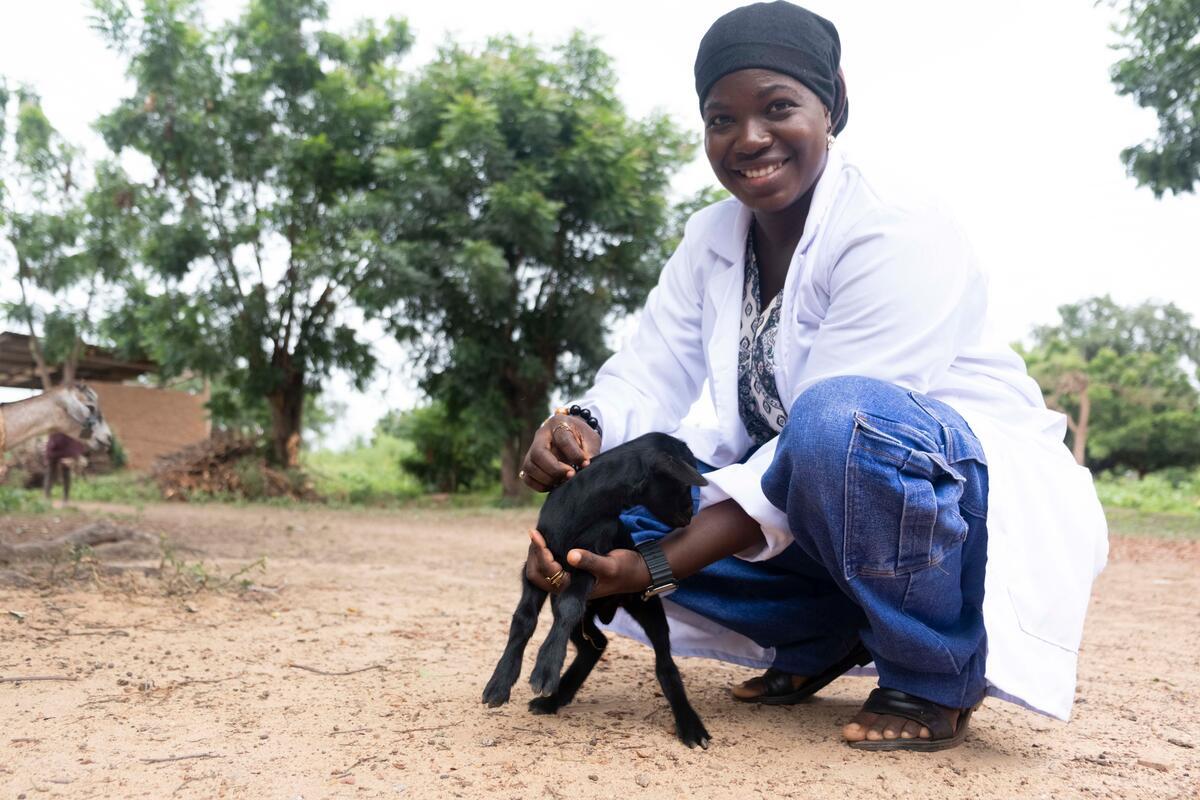
What's at stake?
FAO's projects show One Health's transformative potential, but they also highlight the cost of continuing with fragmented approaches. When surveillance systems operate in isolation, early warning signals get lost in institutional gaps. When laboratories from veterinary and public health do not have netowrks form network for sample referral, corss-validation, and lack standardized protocols for testing unusual health events of zoonotic nature valuable time is wasted coordinating responses. When response teams aren't trained to work across sectors, opportunities for rapid containment slip away.
The COVID-19 pandemic's economic toll – estimated at USD 16 trillion globally – underscores what happens when health crises spiral out of control. Compare this to the relatively modest investments required for One Health systems: surveillance networks, laboratory upgrades, training programs, and coordination platforms that collectively cost far less than managing pandemic fallout.
Scaling success
We have the blueprints for scaling One Health globally, but success requires coordinated action across multiple levels.
Donor agencies and international partners must prioritize One Health in funding decisions, recognizing that integrated approaches deliver better value than parallel investments in separate sectors. The Pandemic Fund's support for these initiatives demonstrates this principle in action.
National governments need policies that break down institutional silos, creating legal frameworks and budget structures that support cross-sector collaboration. This includes joint training programs, shared data systems, and unified command structures for health emergencies.
Regional organizations can facilitate the kind of cooperation seen in the Eastern Caribbean, helping countries pool resources and coordinate responses across borders.
Building tomorrow's defences today
The path forward is clear: invest in surveillance systems that cross sectoral boundaries, build laboratories equipped for multi-species and multi-pathogen diagnosis, train response teams that think beyond traditional silos, and create governance structures that enable rapid, coordinated action.
Find out more
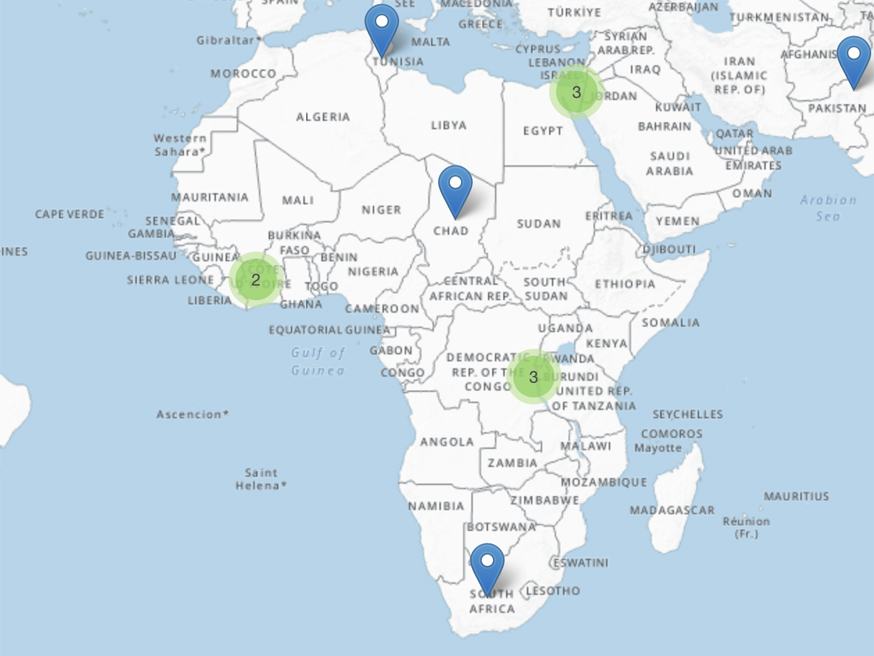
Projects
Pandemic Fund projects
FAO is co-leading the implementation of 32 Pandemic Fund projects worth over USD 165 million aimed to boost local and global health security.
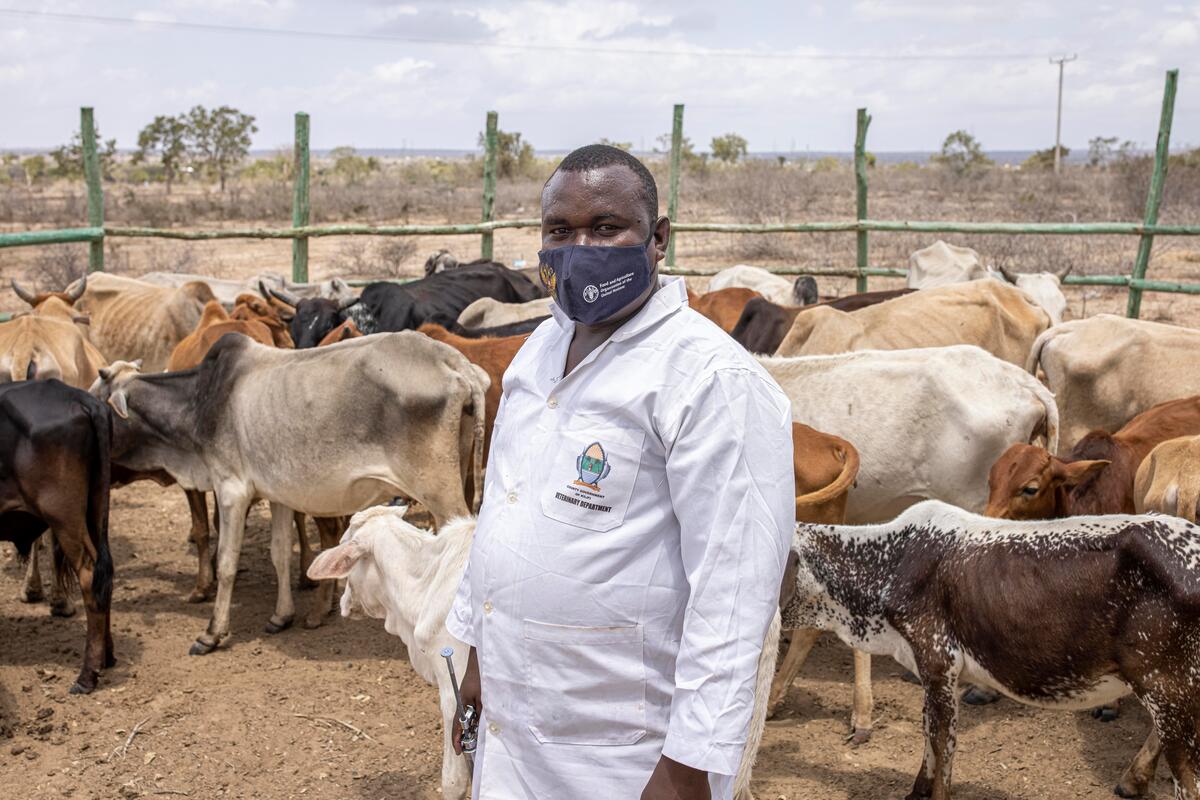
Highlights
The economic case for One Health in agrifood systems: Why prevention pays
As global food systems face mounting pressures a prevention focused One Health approach offers compelling economic advantages.
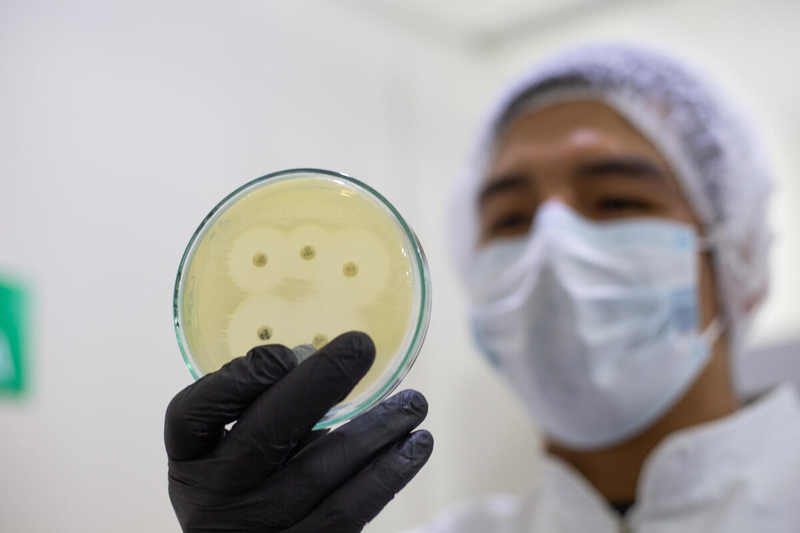
Highlights
Preventing the next pandemic
The emergence and global spread of COVID-19, Avian Flu and other zoonotic diseases cast a spotlight on the interconnectedness of human, animal, and environmental health.