


Facilitating sustainable livestock transformation: Insights from development finance partners
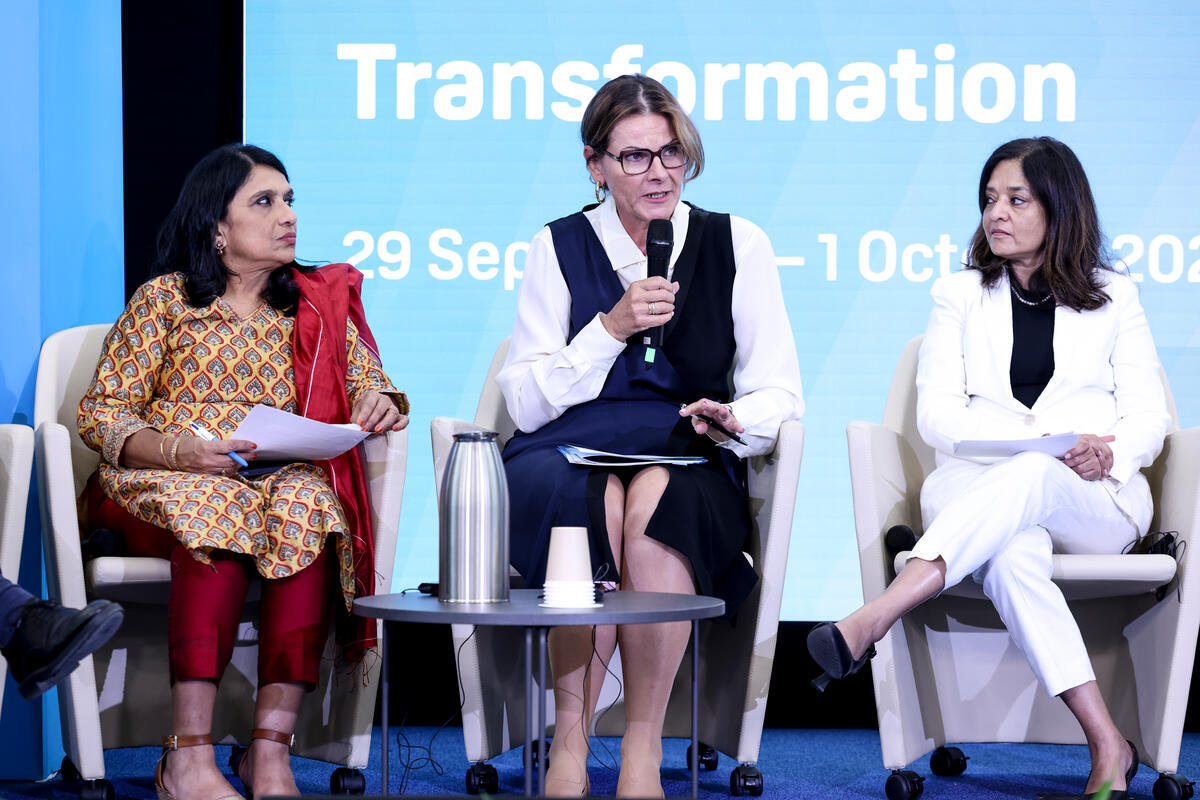
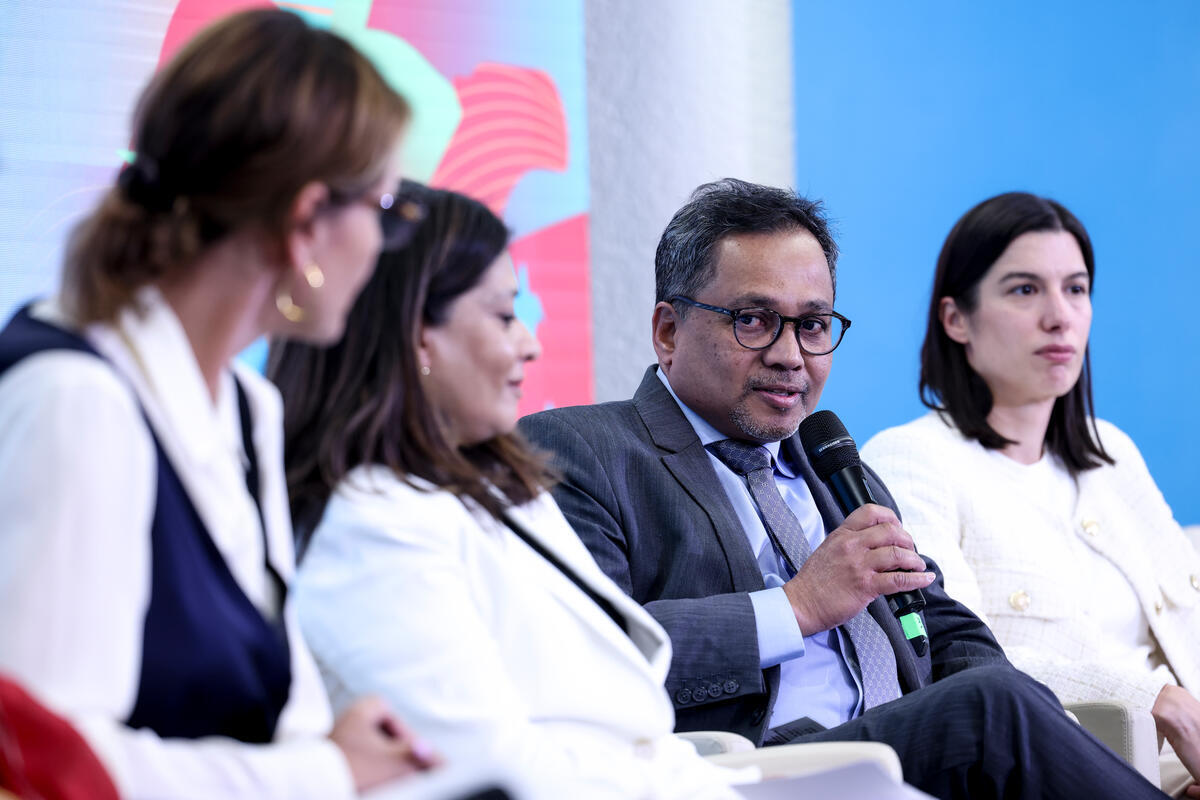
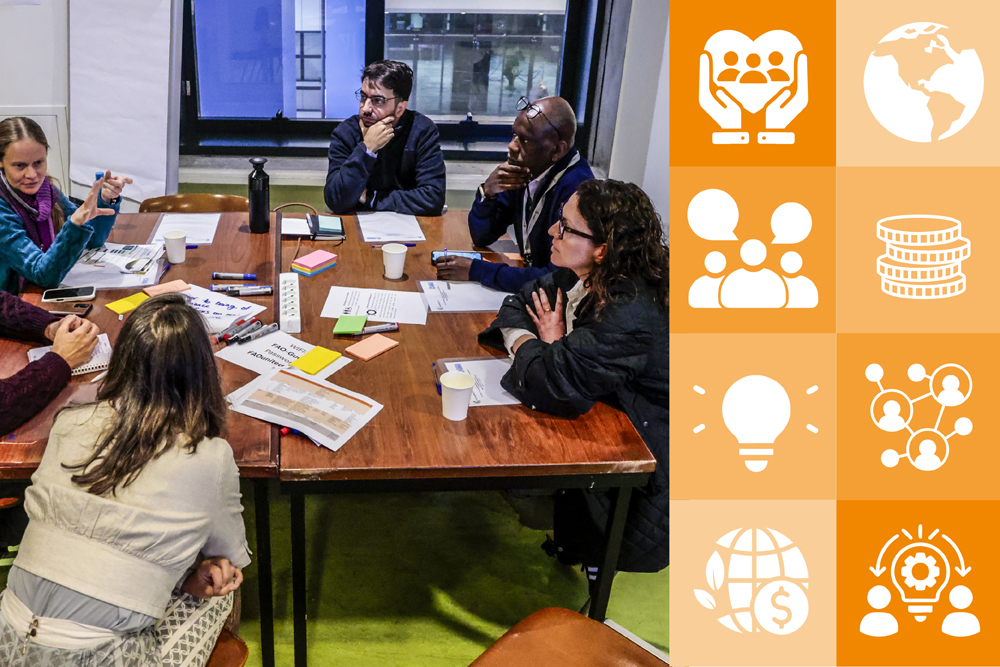
How can we finance sustainable livestock transformation while ensuring food security, environmental protection, and disease prevention through a One Health lens? This critical question brought together diverse voices at the financial institutions and philanthropic agencies forum, held during the Global Conference on Sustainable Livestock Transformation.
The forum showcased how different institutions bring distinct yet interconnected approaches to livestock financing.
The World Bank are driving systemic change by pioneering high standards in the livestock sector. The World Bank Group is working to advance a livestock sector that is sustainable – one that supports livelihoods, provides essential nutrition to those who need it the most, and promotes environmental stewardship. Through the integration of One Health approaches, the World Bank Group is also helping to mitigate health threats and strengthen the resilience of food systems.
IFAD keeps smallholder farmers at the heart of its strategy, with 60 percent of its investment projects featuring livestock components. Recognizing the sector's key role in poverty alleviation, IFAD helps farmers enhance their productivity and market access to increase their incomes, ensuring that those most vulnerable benefit from livestock development.
The Pandemic Fund provides catalytic financing for country-led efforts in pandemic prevention, preparedness, and response. It partners with 14 implementing entities, including FAO, and currently supports a global portfolio of nearly USD 7 billion spanning 75 countries across six geographic regions. Through a multisectoral One Health approach, the Fund helps countries strengthen surveillance, laboratory, and workforce capacities – critical infrastructure for preventing the next pandemic at the human–animal–environment interface. These efforts also contribute to reducing risks linked to antimicrobial resistance and other emerging health threats.
The Gates Foundation advances research and innovation with an eye toward scalable, long-term impact. Its investments focus on attracting private sector engagement to drive enterprise development, crucial as public funding faces increasing constraints.
Rabobank works directly with the private sector to align and scale business performance and sustainability goals. While acknowledging that achieving net-zero in livestock will take time, the bank promotes improved carbon measurement and complementary actions like reforestation to offset emissions.
Farmers at the centre, finance as the lever
A key theme ran through the discussions: sustainable livestock transformation demands collective action – with farmers firmly at the centre. Small-scale producers often bear the greatest risks while sustaining production and balancing environmental and health considerations.
The World Farmers Organisation reinforced that existing financial mechanisms too often fail to serve farmers, especially smallholders, adequately.
Proposed solutions included innovative and blended finance models (leveraging domestic, private sector and development sources), access to microfinance, and cooperative arrangements for farmers. Participants also called for global financial systems to better connect with local financial mechanisms and implement de-risking strategies that make livestock investment more accessible and equitable.
FAO's supporting role and the path forward
As forum facilitator, FAO underscored its role in supporting member countries through sharing good practices, normative frameworks, knowledge products, technical tools, investment and finance solutions tailored to the livestock sector. Critically, FAO country offices and Representatives can serve as vital entry points for fostering multi-stakeholder partnerships at the national level.
A call for collaboration
The forum's conclusions were clear: greater collaboration across all levels is essential to mobilize and leverage shared investments – combining public and private financing, and derisking solutions – to help drive transformation effectively. The quality and quantity of investments made today will shape tomorrow's outcomes – in food security, environmental sustainability, public health, and farmer livelihoods.As the livestock sector continues to grow and transform, the One Health approach offers a unifying framework for ensuring investments deliver benefits across human, animal, plant and environmental health. The forum underlined that when governments, private sector actors, farmers, and development partners align their efforts, meaningful and lasting change is possible.
Find out more
In depth
Investing in One Health
One Health is a holistic approach to health that requires everyone to work together, including governments, international organizations, civil society, and the private sector.
Community of Practice
Return on investment for One Health and investment planning
Learn and share information on investment pathways and cases for One Health, share and improve practices on economic evaluations, and supporting country One Health investment planning.
Highlights
The economic case for One Health in agrifood systems: Why prevention pays
As global food systems face mounting pressures a prevention focused One Health approach offers compelling economic advantages.