


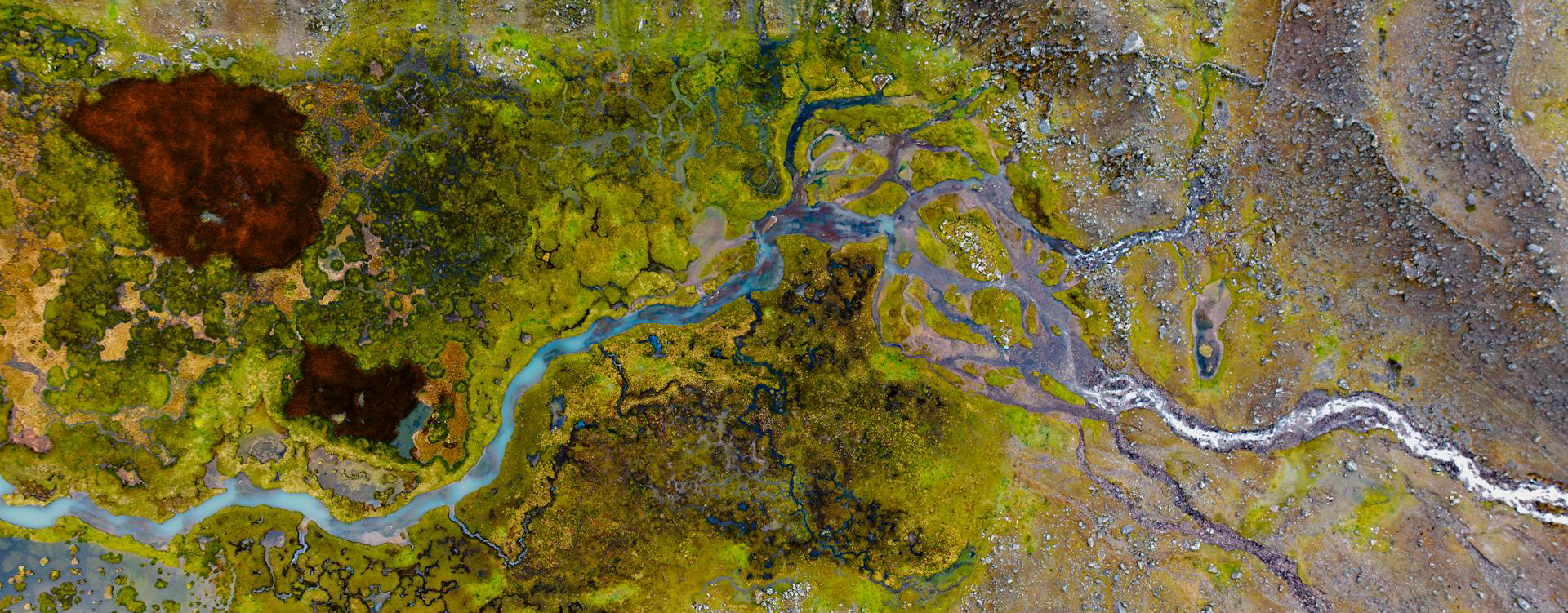
One Health and earth observation: A new lens on sustainable agrifood systems
Ensuring that today’s agrifood systems can nourish the world without compromising the ability of future generations to rely on a healthy planet is one of the defining challenges of our century. By 2050, nearly 10 billion people will rely on agrifood systems already under pressure from climate change, land degradation, biodiversity loss, and emerging health threats.
The One Health approach emphasizes that food security, public health, and environmental sustainability are interconnected. What's changing today is the ability to see and measure these connections in real time. Earth Observation (EO) technologies – satellites, sensors, and integrated data systems – are giving FAO and its partners the tools to monitor agrifood systems at planetary scale, while providing insights down to individual fields.
Earth Observation data is fundamentally transforming how FAO monitors and manages risk across food, animal, and environmental health. Central to FAO's mandate is strengthening One Health systems that integrate human, animal, plant, and environmental health, with a cornerstone of this work being the development of multi-hazard early warning systems that enable timely risk detection, communication, and preparedness across sectors and regions. These systems harness the power of satellite technology to provide decision-makers with the intelligence needed to anticipate and respond to threats before they escalate into crises, whether those threats come in the form of crop diseases, livestock epidemics, water contamination, or climate-driven disasters that cascade through food systems.
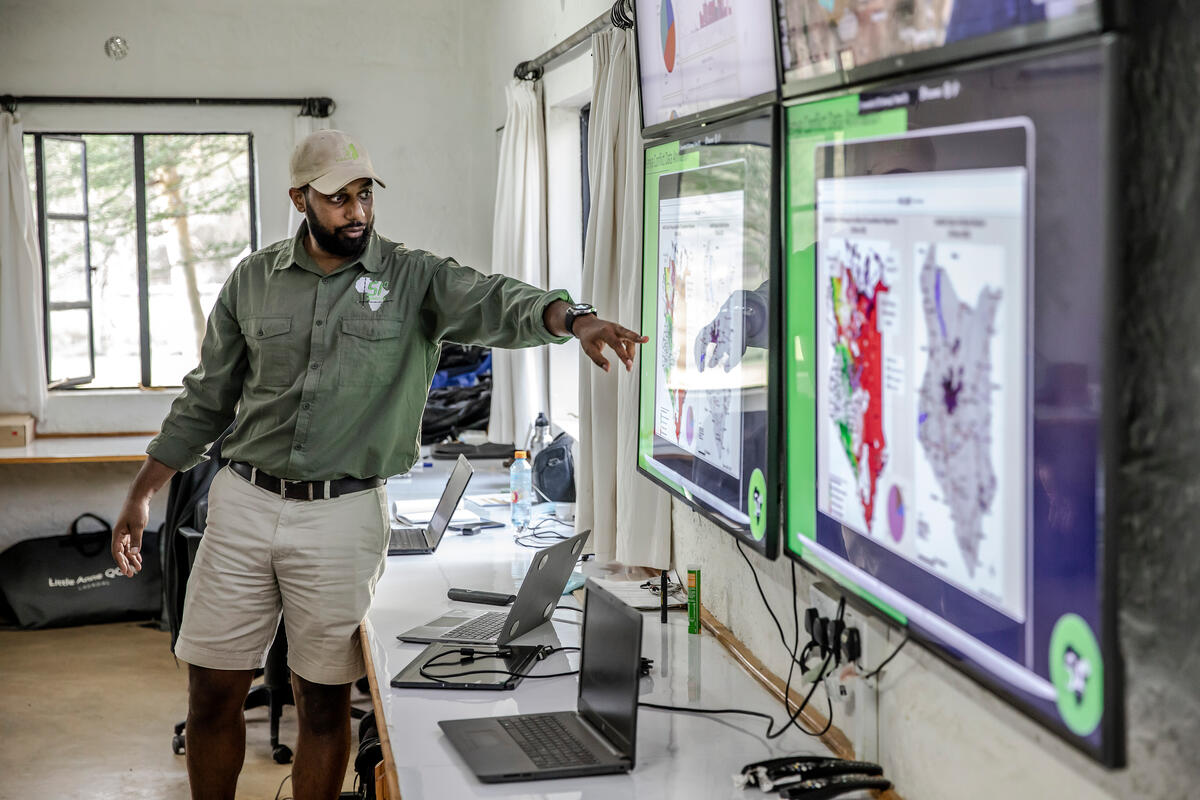
FAO's Emergency Prevention System (EMPRES) for animal health exemplifies this through risk knowledge, monitoring, forecasting, and decision support. Recent initiatives focus on interoperable digital platforms for vector-borne diseases such as Rift Valley fever (RVF). The FAO RVF Early Warning Decision Support Tool is a web-based platform that integrates real-time RVF risk maps, geospatial and EO data, and disease information from EMPRES-i with expert knowledge on RVF eco-epidemiology. It strengthens country-level early warning and forecasting capacity, showcasing how real-time modelling and digital innovation can enhance preparedness and anticipatory action.
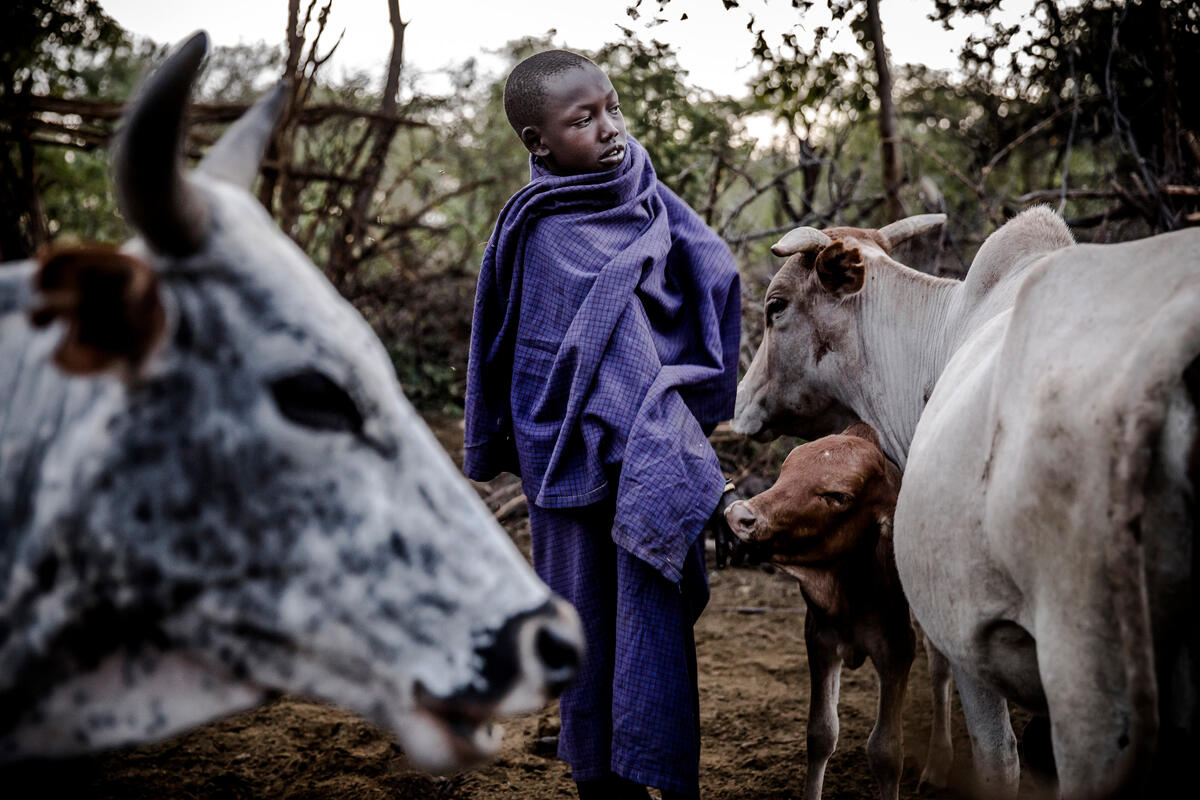
FAO is a key stakeholder in the FAO–ESA collaboration on the EO4Health Resilience Project. This partnership promotes the sharing and application of Earth Observation data for public and animal health, particularly in the monitoring and forecasting of vector-borne diseases such as Rift Valley fever. Through the joint use of EO data and analytics, FAO and ESA are advancing evidence-based approaches to assess environmental drivers of disease emergence, enhance cross-sectoral data integration, and strengthen the global One Health early warning architecture.
FAO recently developed the Risk Monitor platform, built on FAO’s Agro-informatics Platform, which leverages geospatial data to provide real-time analysis of emerging food security risks. By integrating satellite-derived environmental indicators with agricultural, climatic, and socio-economic data, the platform supports evidence-based decision-making and enables rapid, coordinated responses to evolving threats.
Challenges to overcome
Earth observation is not a silver bullet. Data fragmentation, technical barriers, and infrastructure gaps continue to prevent vulnerable regions from fully benefiting from its potential, and many countries still lack the capacity to translate raw EO data into practical, decision-ready tools. Issues of data sovereignty, access, and confidentiality further complicate global collaboration and data sharing. Remote sensing remains vital for advancing animal health, yet challenges persist in achieving interoperability and ensuring that data can be effectively integrated and used across systems.
Future priorities include improving spatial and temporal resolution, reducing data latency, and enabling real-time anomaly detection. Linking animal mobility and socio-economic data will be critical to better assess disease risk, alongside developing cost-effective methods for risk validation and integrating EO data into scenario and impact analyses. Enhanced nowcasting and forecasting capabilities will strengthen Decision Support Tools, while new proxies for estimating host populations can support real-time monitoring.
For FAO, the priority is to ensure that data is not only accessible but also interpretable and actionable for policymakers, extension agents, and farmers. Sustained investment in system development, validation, and capacity building – along with stronger bridges between science and policy – remains essential to achieving these goals and ensuring long-term sustainability.
Looking ahead
By 2030, FAO envisions transforming agrifood systems to become more efficient, inclusive, resilient, and sustainable by leveraging technology, innovation, and data as key accelerators. Advances in satellite constellations, hyperspectral imaging, and artificial intelligence are expanding monitoring capabilities, while cloud platforms and open-data policies make insights more widely available.
This means farmers receiving alerts about pest outbreaks based on satellite data. Ministries adjusting food strategies based on real-time crop monitoring. Health authorities anticipating zoonotic disease risks from changes in livestock movement or ecosystem stress.
For FAO, the message is clear: the future of agrifood systems depends on integrating satellite intelligence into the One Health vision. Feeding the world while staying within planetary boundaries requires this new perspective – one that looks at Earth from above to protect life on the ground.
FAO took part in the second User Forum organized by the European Space Agency to engage partners and the private sector to better leverage Earth Observation for health.
Watch the recording of the User Forum.
Timely and reliable disease information enhances early warning and response to transboundary and high impact animal diseases.
Find out more
Highlights
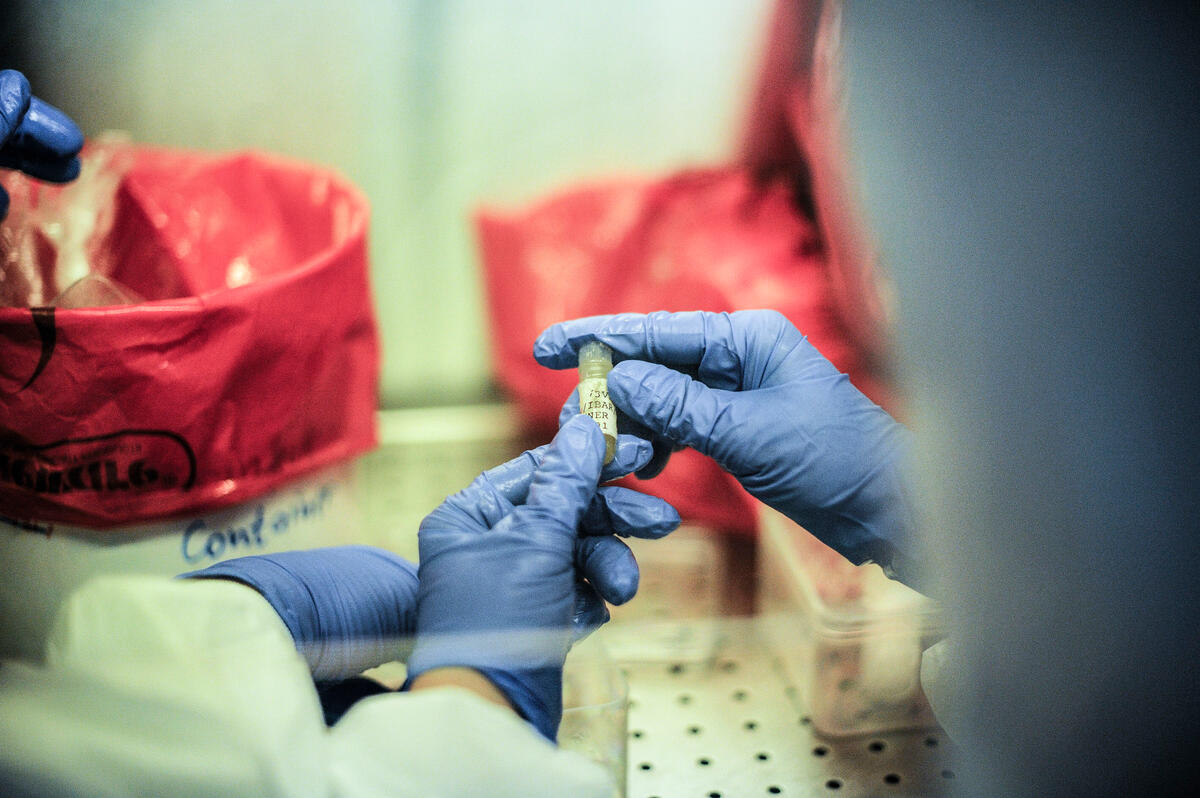
Why early detection matters: Making the case for One Health surveillance
Whether it's livestock diseases, crop pests, zoonotic spillovers, or environmental shifts that threaten food production, many crises begin silently.
Highlights
How early warning systems for plant health protect crops, people and planet
Early warning for plant health means detecting plant pests and diseases at the earliest stage, before they spiral into emergencies.
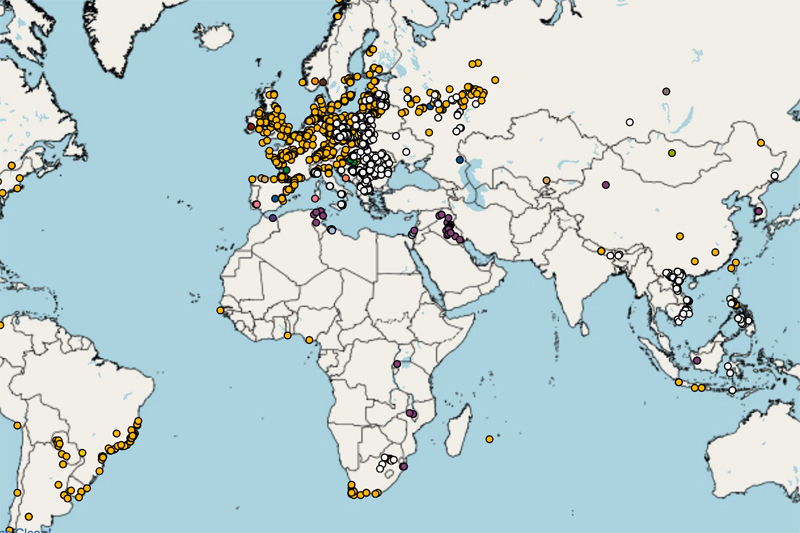
Global Animal Disease Information System (EMPRES-i+)
EMPRES-i+ is a web-based global animal disease information system to improve disease intelligence, data analysis and visualization, disease forecasting and early warning, enabling countries to monitor disease emergence, spread and the risk of new outbreaks.