


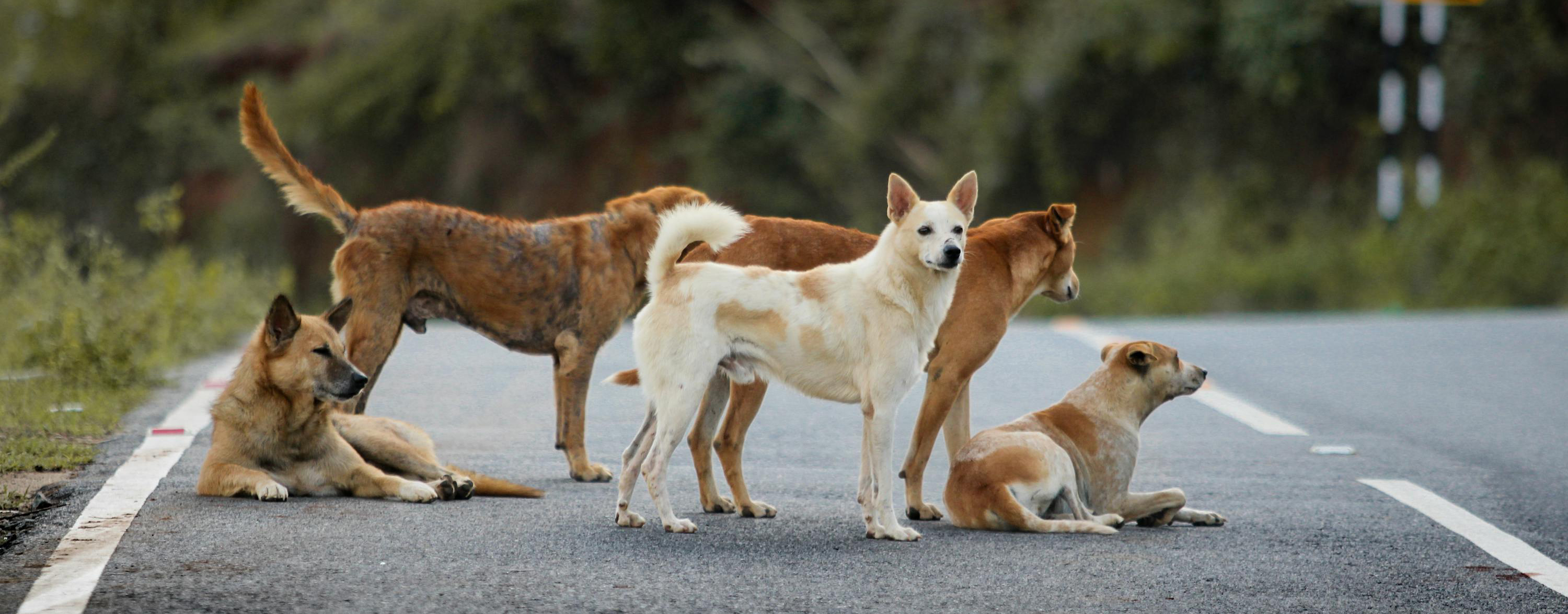
Rabies, One Health and ICT:
Spotlight on SIRVERA & GARC tools
Rabies remains one of the world's most neglected tropical diseases, claiming an estimated 59 000 human lives annually while being entirely preventable. The disease exemplifies the interconnected nature of human, animal, and environmental health challenges that require a coordinated One Health approach. As the global community works toward the ambitious goal of eliminating human deaths from dog-mediated rabies by 2030, innovative information and communication technologies (ICT) and tools are proving essential for strengthening surveillance, improving data management, and enabling evidence-based decision-making.
FAO’s community of practice on ICT for One Health is hosting a webinar to showcase how digital tools support the fight against rabies and explore the challenges and opportunities in developing and using One Health solutions.
The webinar will highlight two platforms: the Pan American Health Organization’s (PAHO) Regional Information System for Epidemiological Surveillance of Rabies (SIRVERA) and the GARC, Rabies Alliance suite of digital tools. These tools show how One Health data can be harnessed across human and animal health sectors and how countries monitor, analyse, and use information to respond to rabies threats.
One Health in action: Integrating sectors through technology
The SIRVERA and GARC tools demonstrates the potential of ICT to operationalize One Health principles at regional, national, and community levels through collaborative approaches between human health, veterinary services sectors.
- Enhanced analytics and decision support
- Mobile technology and offline capabilities
- Real-time analytics and early warning systems
- Data visualization and communication
SIRVERA: Strengthening regional surveillance in the Americas
SIRVERA represents a landmark achievement in regional One Health collaboration. PAHO manages SIRVERA through its specialized centre for veterinary public health and focal point for One Health, the Pan American Center for Foot-and-Mouth Disease and Veterinary Public Health. PAHO is the international organization responsible for the coordinating and managing of the America’s regional effort for the control and elimination of canine rabies, under responsibility of public health sector in the region. SIRVERA is part of the technical cooperation tools provided by PAHO and is a web-based platform has served as the central repository for rabies surveillance data across over the last six decades and management of national programmes in the Americas. The Americas have used SIRVERA data to coordinate large-scale actions, supporting a dramatic 97 percent reduction in the incidence of human rabies transmitted by dogs, through the application of public health policies within a One Health approach. Besides all the support given by the system to the coordination of measures for elimination of canine rabies, the system also provides the same support for wildlife and livestock, integrating public health with official veterinary services of the Americas.
By standardizing data collection and reporting procedures, SIRVERA enables:
- Real-time monitoring: Countries can track rabies cases as they occur, monitor progress, identify risks, facilitating rapid response to outbreaks.
- Cross-border collaboration and response: Neighbouring countries are alerted when there is critical surveillance information, especially rising rabies cases, to prevent disease spread.
- Evidence-based planning: Governments can use robust data to allocate resources effectively and design targeted intervention strategies.
- Progress tracking: Regional and national authorities can measure advancement toward elimination goals and analyze their programmes.
GARC tools: Global innovation for local impact
GARC has developed a comprehensive suite of ICT tools that democratize access to sophisticated rabies surveillance and management capabilities. The GARC Data Platform, offered at no cost to end users, exemplifies the organization's commitment to supporting rabies elimination efforts worldwide.
This web-based system enables users to capture, analyze, and visualize real-time rabies data across all aspects of the disease. Currently used by 35 countries and more than 80 governments and organizations worldwide, the platform provides:
- Surveillance: Comprehensive data collection tools for human and animal cases, potential exposures, and vaccination
- Analytics: Built-in advanced analytics and visualization capabilities to track anomalies/trends of case data, and vaccination coverage
- Reporting: Real-time reporting and customizable dashboard
- Integration: designed for interoperability with existing health information systems
The GARC mobile app: Recognizing that many rabies-endemic areas have limited internet connectivity, GARC has developed a smartphone application that ensures offline data capture without compromising on data quality. This innovation enables rabies professionals to capture data anytime, anywhere, synchronizing with the main platform when connectivity is restored.
Specialized assessment and capacity building tools: GARC has also developed several specialized tools to strengthen rabies prevention and control, including frameworks, training, and technical support. These include the Stepwise Approach towards Rabies Elimination (SARE) for planning and monitoring the implementation of national strategies, and online certification programmes.
Find out more
Event
World Rabies Day
World Rabies Day is an annual observance held on 28 September to raise awareness about rabies and its prevention.
In depth
One Health approach to rabies
FAO supports member countries in their efforts to prevent and control rabies through a One Health approach.
Case studies
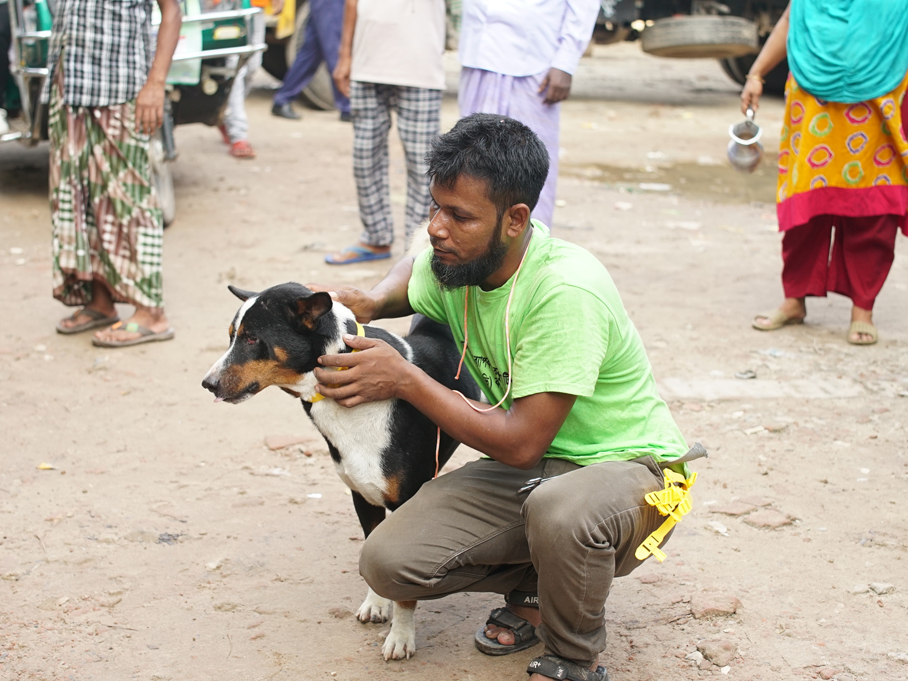
Rabies prevention and control case studies
Examples of FAO’s activities to support member countries in Africa, Asia and the Middle East to tackle the risk of rabies through a One Health approach.

E-learning
Virtual Learning Centers
FAO Virtual Learning Centres provide tailored training for advancing animal health and One Health capacities.