One Health in action: Togo strengthens monitoring of emerging diseases through wildlife surveillance
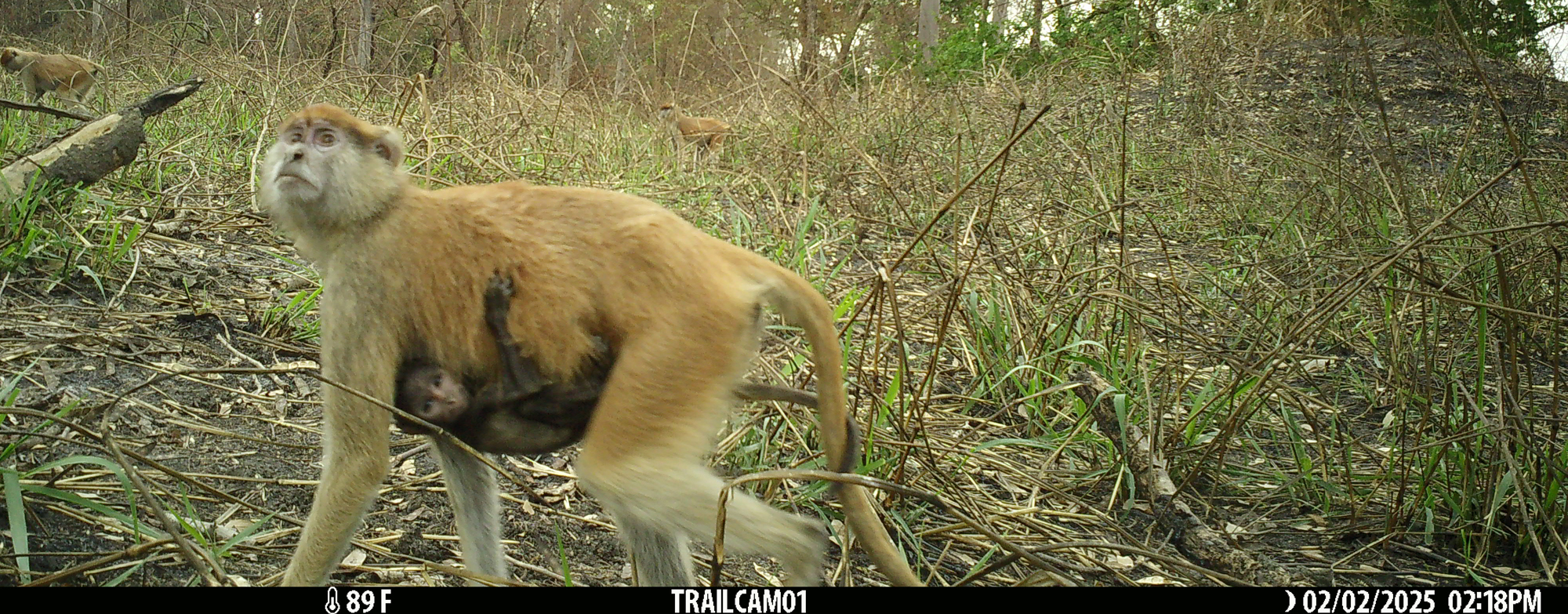
With around 75 percent of emerging infectious diseases in humans originating from animals, wildlife surveillance has become a critical pillar of global health prevention. Recognizing the challenge in this interconnectedness of humans, wildlife, and environment, Togo, with the technical support from FAO, convened a national workshop on strengthening epidemiological surveillance of wildlife diseases in Sokodé.
This initiative is part of the support for the strengthening of preparedness and response to health emergencies project funded by the Pandemic Fund, and brought together 43 key actors from the veterinary, environmental, and human health sectors under the One Health approach.
Political commitment to health security
The workshop was officially opened by TCHIMBIANDJA Yendoukoa Douti, Prefect of Tchaoudjo, who emphasized "the political will of the Togolese government, under the leadership of President Faure Essozimna Gnassingbé to actively contribute to the prevention of global health threats". He added that "epidemics of avian influenza, Ebola, mpox or Lassa fever, whose vectors reside in wildlife, have highlighted the vulnerability of health systems in West Africa", underscoring the need for increased vigilance at the source.
A strategic response to zoonotic threats
According to KOHOE Yawovi, Coordinator of the PREPRUS-Togo project at FAO, 30 percent of the 1 843 public health events recorded in Africa between 2001 and 2022 were outbreaks of zoonoses. In Togo, wildlife surveillance remains insufficiently structured, making this training highly relevant to strengthen detection, diagnosis, and intersectoral coordination for effective epidemic prevention.
Building capacity: Training actors to become sentinels of outbreak threats in wildlife sector
Over four days, participants from the Directorate of Forest Resources, Veterinary Services, the Ministry of Health, the Order of Veterinary Surgeons, FAO and WHO, received training on:
- Foundations of wildlife disease epidemiological surveillance, including priority diseases such as mpox, rabies, anthrax, avian influenza or PPR
- Data collection
- Intersectoral coordination mechanisms within the national One Health surveillance system.
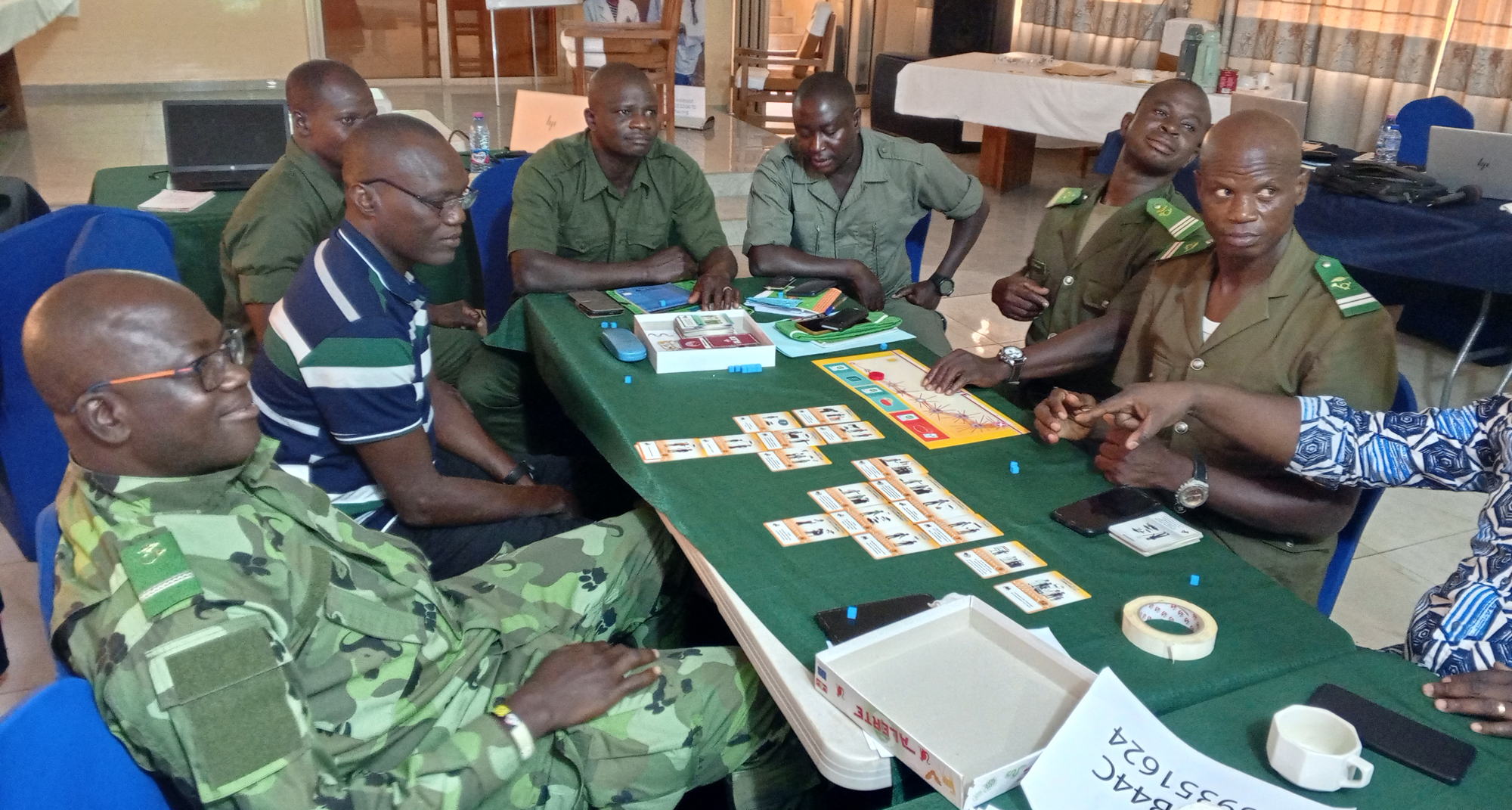
Under the guidance of Yacinthe Guigma, wildlife and public health expert, sessions combined theory with practical exercises. A health alert simulation based on suspected mpox cases in primates allowed participants to test rapid coordination between veterinary, environment, and health services. The interactive tool "ALERT" was used to model communication chain between sectors.
Concrete results and shared vision
Feedback from participants confirmed the tangible impact of the training. "We now know who to alert and how to act together in case of suspected wildlife disease," said Commander Gbemou Komi Mawounya, Conservationist of the Environment. Captain Ouro Agbandao Tchabana stressed the importance of data quality and feedback from the community as an essential link in participatory surveillance.
A key step toward integrated and sustainable monitoring
This workshop aligned with the regional strategy led by FAO and the Pandemic Fund to strengthen African countries' resilience against emerging zoonotic diseases. "Monitoring wildlife is investing in the prevention of tomorrow's pandemics," concluded by the PREPRUS-Togo Coordinator.
With this project, Togo takes a decisive step toward establishing a multisectoral, proactive, and national surveillance system, where every actor becomes a sentinel for human, animal, and environmental health.