FAO-GEF Partnership for International Waters
Healthy marine and freshwater ecosystems significantly influence human, animal, and ecosystem health, including biodiversity, land and water use and climate, as well as other aquatic and land-based economic sectors. However, unsustainable practices such as illegal, unreported and unregulated fishing, and overfishing have been contributing to rapid deterioration of marine and freshwater ecosystems. These systems also face increasing threats from climate change, pollution, water acidification, and biodiversity and habitat loss. Transformation is essential to conserve and support aquatic ecosystems so that they can continue to supply services and help sustain healthy diets.
Within the International Waters focal area that refers to aquatic ecosystems shared by more than one country, FAO and the GEF collaborate in three domains: (i) Large Marine Ecosystems, that is, ocean regions defined by distinct seabed topography, physical oceanographic conditions, biological productivity, and ecological food web dynamics; (ii) transboundary freshwater ecosystems, which are lake and river basins and aquifers shared by two or more countries (as showcased in Part I of this report); and (iii) Areas Beyond National Jurisdiction (ABNJ), also known as the high seas, which are areas of ocean for which no single nation has sole responsibility for management.
The collaboration between FAO and the GEF in this focal area started with the Common Oceans Areas Beyond National Jurisdiction (ABNJ) Programme. Focused on management and conservation of the world’s common oceans, the programme included the Global ABNJ Deep-Sea and Global ABNJ Tuna projects that, respectively, combatted illegal, unreported and unregulated fishing, and helped mitigate bycatch mortality trends and transformed tuna fisheries management practices. The collaboration now continues with support for early implementation of the BBNJ Agreement.
Spotlight

Water underpins food systems, livelihoods and ecosystems. Through the GEF International Waters focal area, FAO and the GEF are tackling marine and freshwater challenges in Asia and the Pacific, to support clean water and sustainable transboundary water management for better production, better nutrition, a better environment and a better life.
Stories of Impact

Tuna fishers access new markets
07/09/2026
Seven-step approach helps artisanal fishers preserve tuna quality and increase value.

CHOIP @ the 25th Annual Large Marine Ecosystems Consultative Meeting
22/07/2026
The Clean and Healthy Ocean Integrated Program (CHOIP) actively participated in the 25th Annual Large Marine Ecosystems Consultative Meeting (LME25),...

Training the frontline
12/06/2026
On the front line of the fight against illegal, unreported and unregulated (IUU) fishing, fisheries inspectors in Dakar are being put through their...
Management procedures for sustainable tuna fisheries - Introduction
15/10/2025
This course explores fisheries management procedures, using tuna management as an example. The approach is applicable to many fisheries, especially where management decisions follow negotiations based on scientific advice. It also covers key elements of management procedures, with a focus on harvest control rules (HCRs) that regulate fishing opportunities.
Categories: Biodiversity, International Waters
Videos
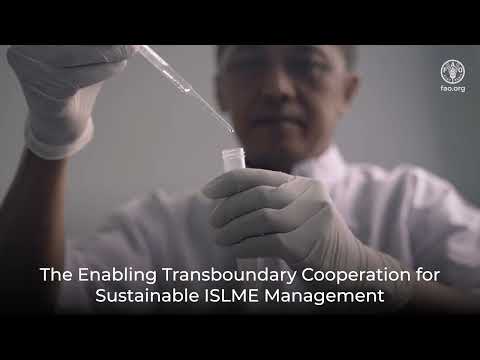
Partnering for Resilience and Sustainability of the Indonesian Seas
23/02/2024
Categories: Biodiversity, International Waters