


One Health Day - 3 November
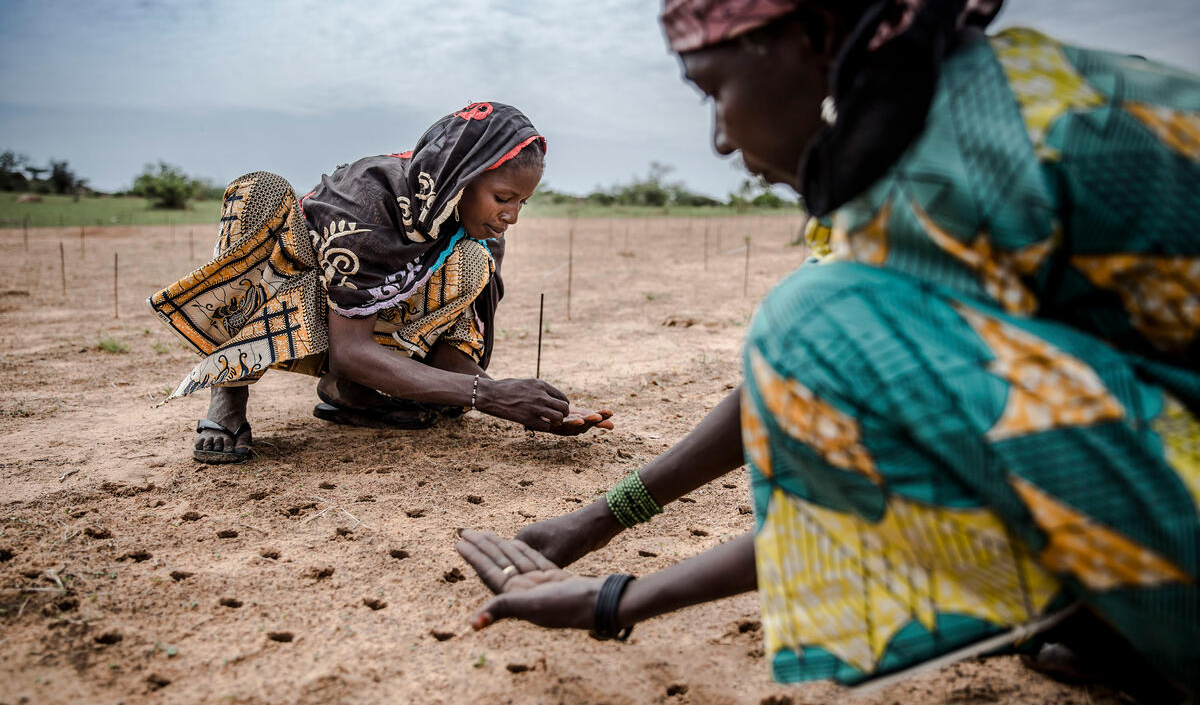
With rapid population growth, globalization and environmental degradation, health threats have become more complex. Solutions cannot be found by one sector alone. The One Health approach leverages the idea that problems impacting human health, animals, plants and the environment can be effectively resolved through improved coordination, communication and collaborative actions across disciplines and that these solutions be sustainable.
One Health Day is an international campaign that celebrates the need for a One Health approach to address shared health threats at the human-animal-environment interface. The day is observed on 3 November each year.
The One Health approach recognizes that the health of people, animals, and the environment are interconnected. This means that threats to one can quickly become threats to all. For example, a new zoonotic disease that emerges in animals can quickly spread to humans, and environmental degradation can lead to the spread of vector-borne diseases.
One Health Day is a time to raise awareness of the One Health approach and to celebrate the work of those who are working to protect the health of people, animals, and the environment. The day also provides an opportunity to learn more about the One Health approach and how individuals can get involved.
Find out more
In depth
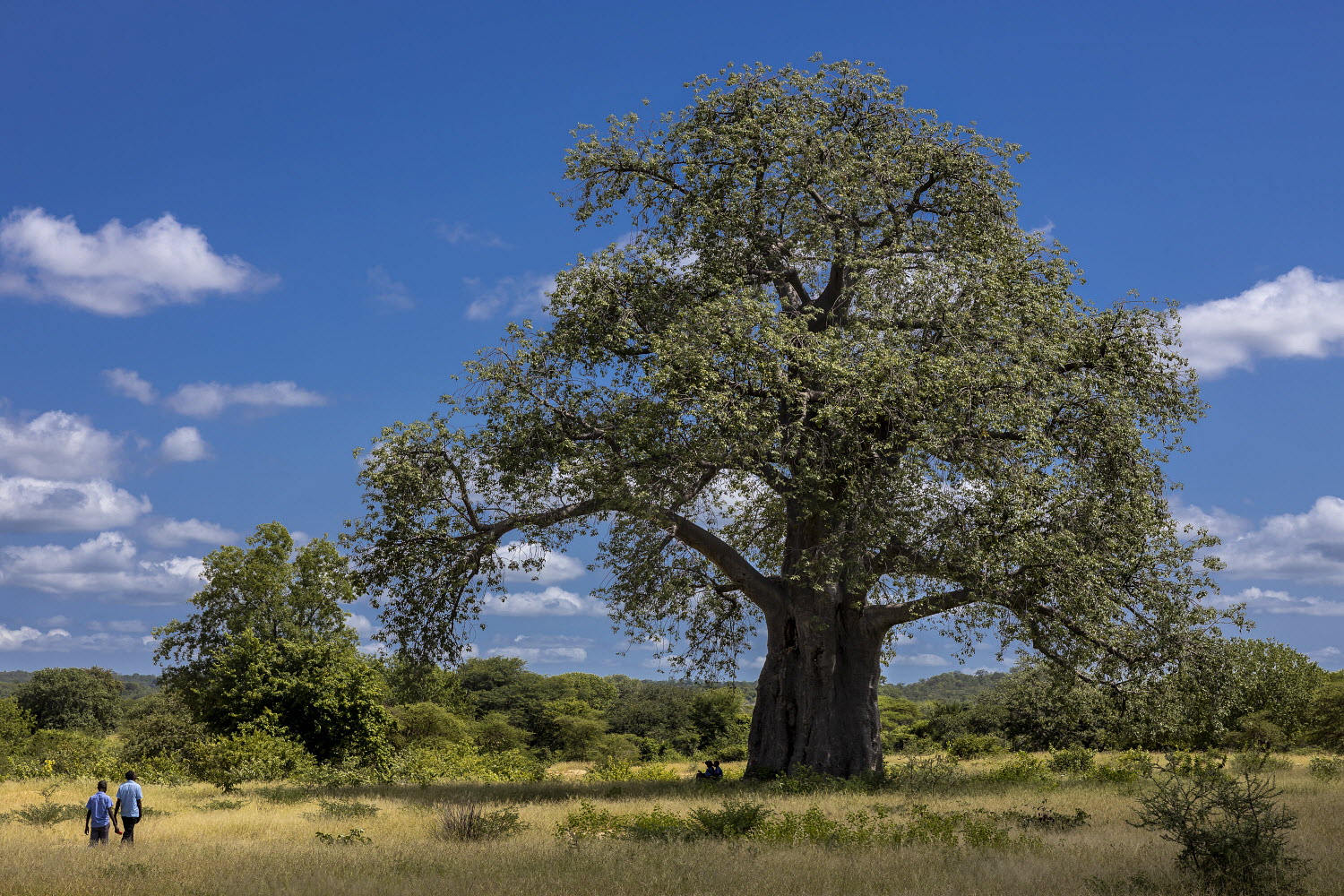
What is One Health?
One Health is an integrated, unifying approach that aims to sustainably balance and optimize the health of people, animals and ecosystems.
In depth
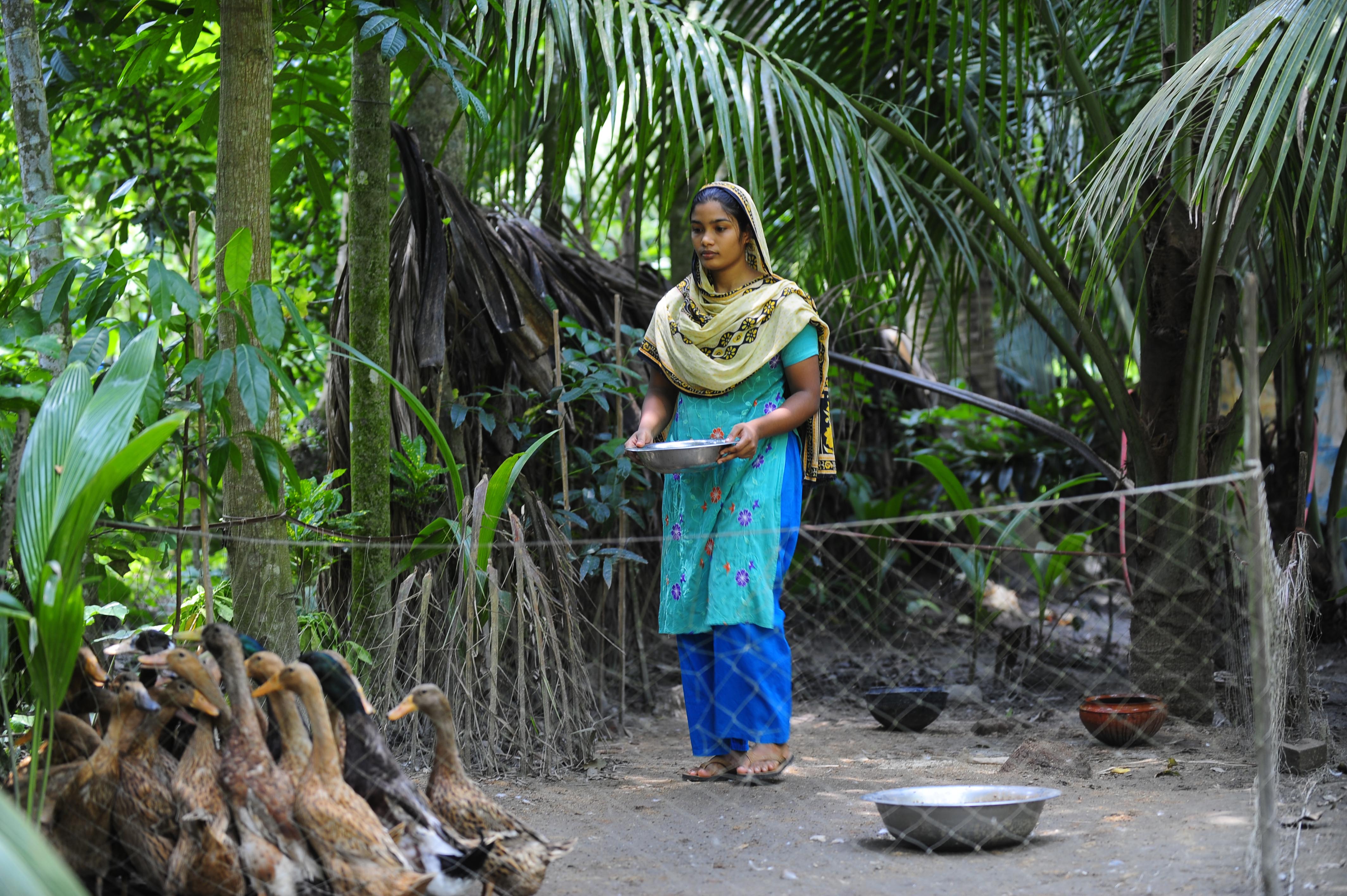
FAO's role in One Health
FAO supports Members to build and implement effective collaborative One Health strategies and capacities, for improving the health of people, animals, plants and the environment.
.jpg?sfvrsn=47a28b8_4)
E-learning
One Health course
This engaging course is designed to raise awareness and deepen understanding of the One Health approach – a collaborative, multisectoral strategy that recognizes the interconnection between people, animals, plants, and the environment.
Highlights
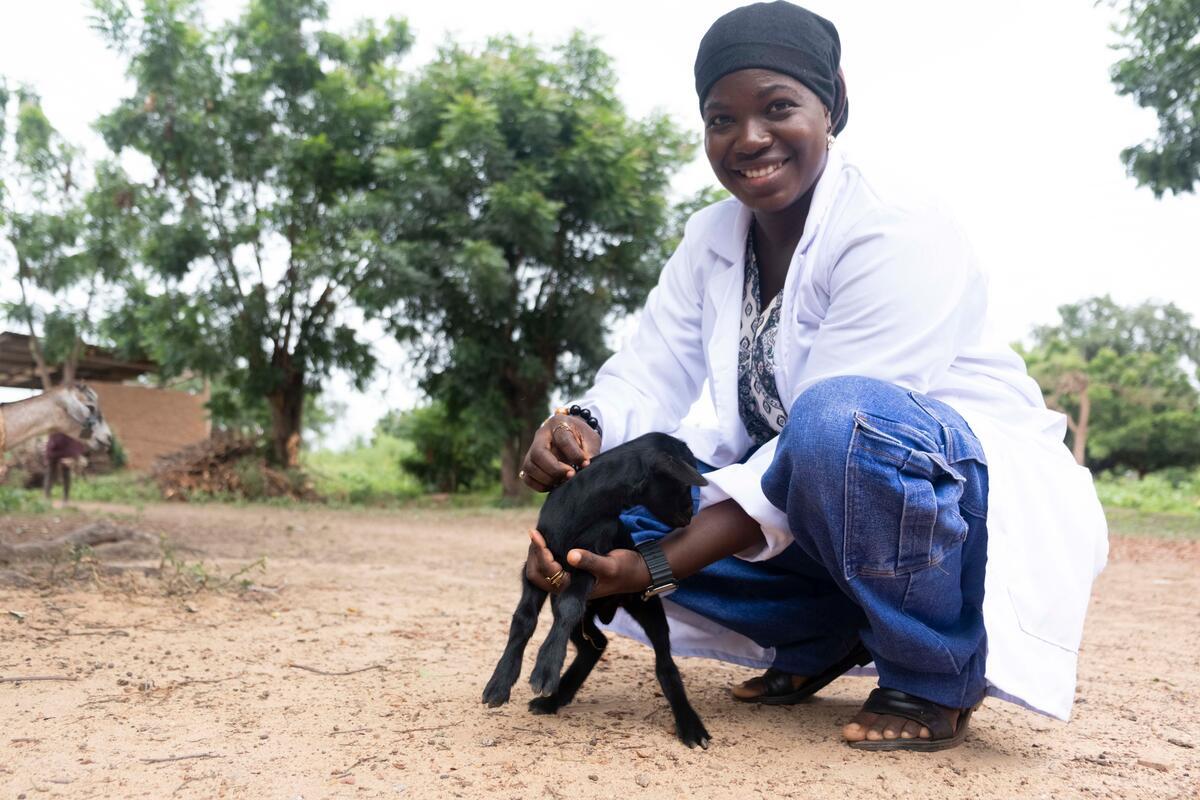
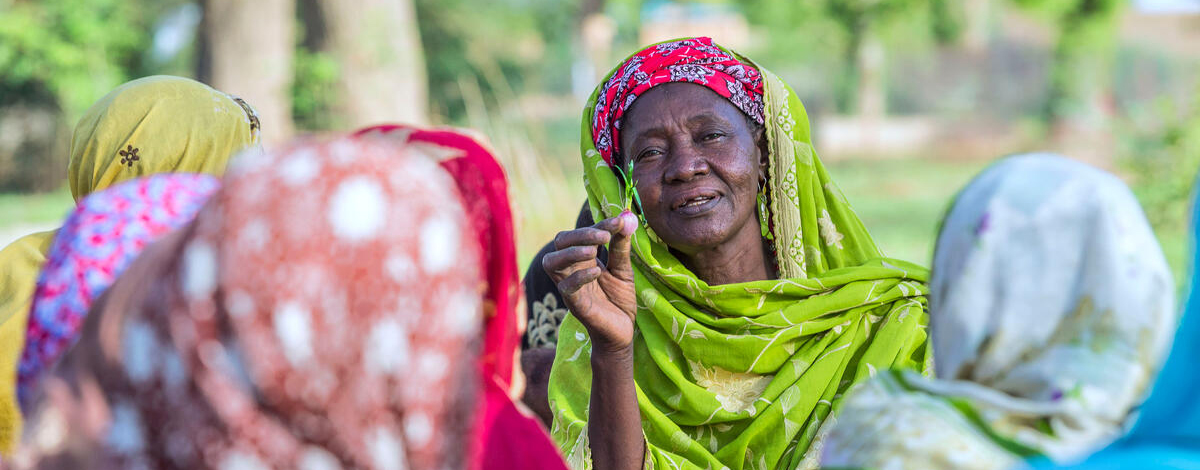
Breaking down silos: Why the One Health approach is our best defence against future pandemics
When health systems work in silos, they are fighting a multi-front war with limited visibility. Diseases do not respect institutional boundaries, so neither should our responses.
Highlights
Mind the gaps: Strengthening the foundations of One Health
Translating One Health into effective, real-world action can be difficult. Across countries and institutions, three persistent barriers slow progress: information gaps, knowledge gaps, and evidence gaps.
Community of Practice
Communities of Practice
These Communities of Practice give people interested in One Health space to learn, share, generate, exchange, discuss and refine knowledge and evidence.