


.jpg?sfvrsn=e55247b3_3 "Less antibiotics for better animal welfare and better nutrition for people")
Less antibiotics for better animal welfare and better nutrition for people
When antimicrobials are used indiscriminately, there is a risk that viruses, bacteria, or fungi will become difficult or impossible to treat. Antimicrobial Resistance (AMR) is a problem today that requires immediate action to ensure safe and effective treatments.


As a result of Antimicrobial Resistance, antibiotics and other antimicrobials lose their efficacy and infections become harder or impossible to treat.
FAO/Max Valencia
17/11/2025
It was the 80's and Jorge Mario López, his wife and his father-in-law opted for a long-term life project. They arrived in the heart of Petén, in northern Guatemala. He, 25 years old, began a project of effort, knowledge and commitment with sustainable production. Today, having turned 65 years old, with a life dedicated to raising cattle, Jorge remembers the beginnings of his farm as a shared dream, a company that gradually grew, adding learning and, above all, roots.
Forty years later, his father-in-law is gone; but Jorge and his wife have managed to build a family business. Her three children are part of it. He proudly says that "one of my sons is a zootechnician, the other is an agronomist, and my daughter is in charge of the administration. We all contribute somehow, allowing us to improve the farm every year."
On its 582 hectares, spread between forests and meadows, the work is distributed between the herd of goats in grazing and the cows for fattening. But beyond the figures, what distinguishes the López Eguizábal family is its vision of producing: a livestock that seeks balance in its results between productive and economic profitability while safeguarding animal welfare and the preservation of nature.
"I used to think that trees in pastures were a nuisance," Jorge acknowledges. "Now I understand that they are necessary: they provide shade, relieve the heat, help make livestock less stressed and capture greenhouse gases. Today we are committed to a silvopastoral system; we want a greener and more sustainable farm".

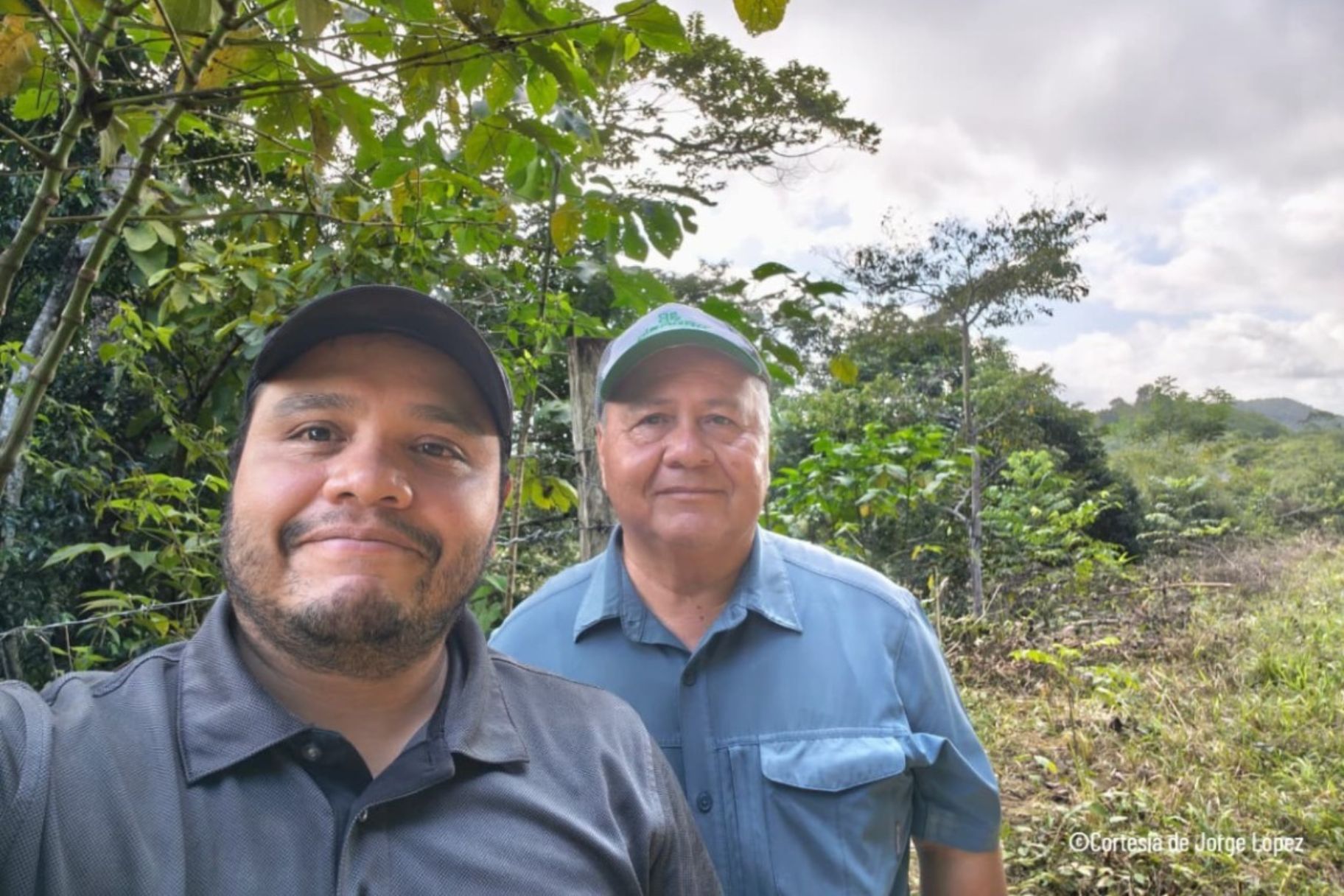
We know that using too many antibiotics could cause animal to become resistant. That’s why we decided to use the minimum necessary” say Jorge and his zootechnician son.
Four decades of work in livestock give lessons and experiences. Animal cares at Santa Monica farm is the result of that long relationship with them, beyond a degree obtained in the classroom. And he is aware of the use of antimicrobials, which include antibiotics, antivirals and antifungals, among others: "We know that using many antibiotics could cause animals to become resistant. That's why we decided to use the minimum necessary."
Today they apply treatments only when an animal shows clear signs of disease, making decisions together with the consulting professional, and strictly complying with the withdrawal periods before sale. "It's not that the buyer demands it, for us it's ethical thing, because we believe that the animal should not carry traces of medicines and the consumer deserves a clean, innocuous product," says Jorge.
Jorge Ricardo, his zootechnician son and responsible for the health of the farm, complements this vision with technical rigor and practicality. "The management we do is mainly preventive," he explains. "Avoiding stress in animals is a key point because every time we enter the corral they lose weight and get hurt. If we inject too much, in addition to damaging them, we promote resistance. We see it even with flies or parasites, which become more resistant over time."
On the farm, prevention based on good practices has become the best tool. The newly arrived animals are given rest, hydration and only the necessary treatment. "Every 21 days we reinforce with vitamins, but we try not to use antibiotics, unless it is really essential," explains the zootechnician.
"The misuse of antiparasitics and antibiotics is harmful. You can see that it creates resistance, even in the animal. If one uses too much, putting and changing antibiotics, the animal suffers and, in the end, it is not possible to save it, but only the microorganism or the disease mutates and gains resistance to certain types of drugs," added Jorge Ricardo.
Antimicrobial resistance (AMR) occurs when bacteria, viruses, fungi, and parasites become unresponsive to antimicrobial agents. As a result of resistance, antibiotics and other antimicrobial agents lose their effectiveness and infections become difficult or impossible to treat. The misuse and overuse of antimicrobials, combined with poor productive and sanitary practices like not taking care of animal feed and welfare or forgetting the prevention by use of vaccines and biosecurity, ease the development and spread of resistance.
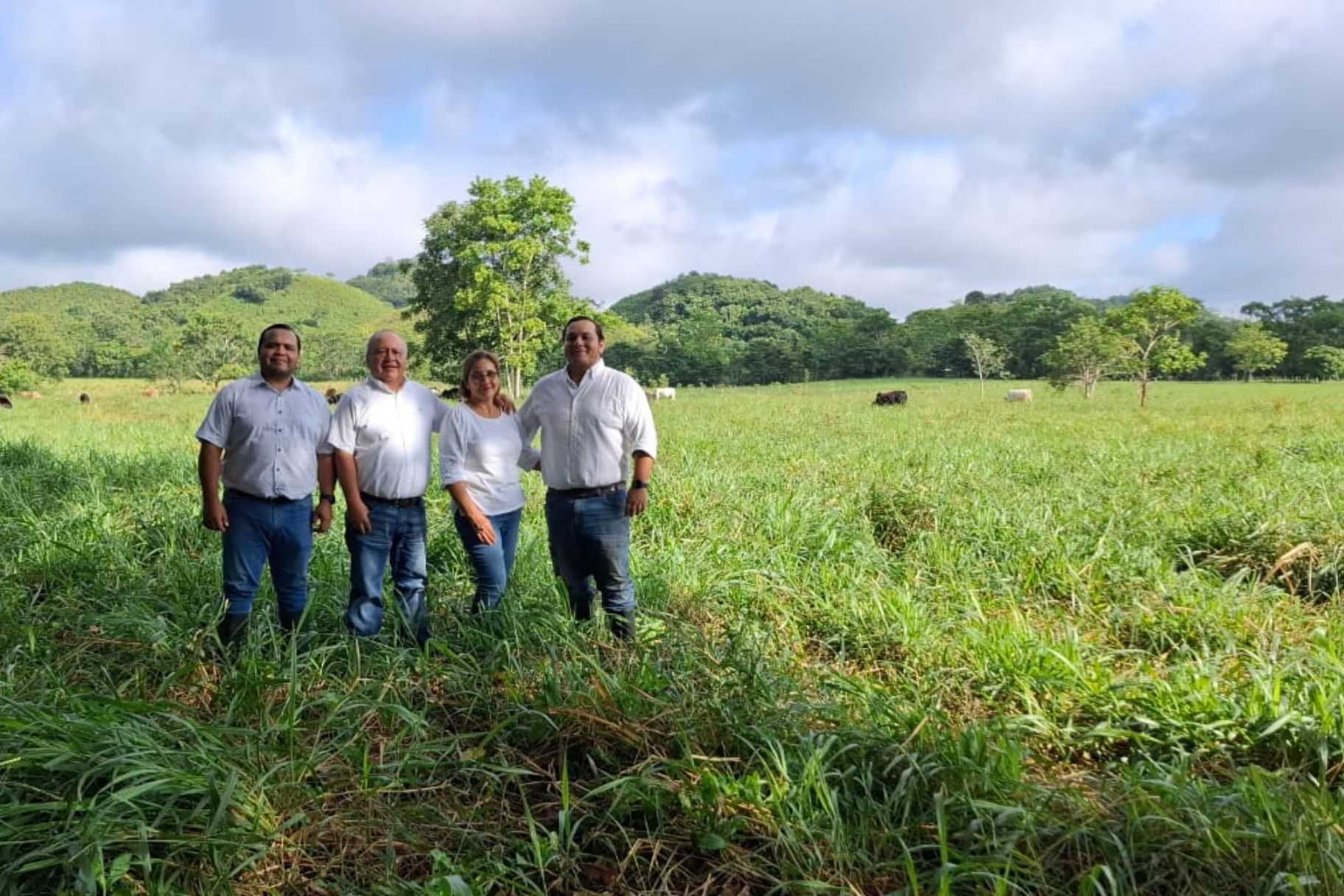
The López Eguizábal family finds balance on its results: economic and productive profitability alongside animal welfare and environment preservation.
As every year, from 18 to 24 November, the Food and Agriculture Organization of the United Nations (FAO), the World Organisation for Animal Health (WOAH), the Pan American Health Organization (PAHO/WHO) and the United Nations Environment Programme (UNEP) call for awareness of the threat posed by antimicrobial resistance under the slogan: "Let's act now: let's protect our present, let's secure our future".
The four organizations urge immediate and coordinated action before this global threat worsens, affecting human and animal health, and impacting the food security and sustainable development of countries.
Although they don't always use scientific terms, both Jorge and his family understand the concept behind One Health: the link between animal, human and environmental health. "Animals are part of our ecosystem. If we take good care of them, we preserve the environment while protecting the health of the people who consume our products," said the producer.
Jorge Ricardo, the zootechnician, makes a strong call to all producers in Petén: "Always take due care not to abuse the use of antibiotics, and for this you must get good advice, right? Consult with a veterinarian or zootechnician, because sometimes you go to an agro-service or a veterinarian product store and they recommend something, but without necessarily knowing what is needed and what you are really putting on your animal."
The history of the López Eguizábal farm is that of a family that learned to produce with conscience, without losing the essence of rural work. Between the heat of the Petén, the shade of the trees and the wisdom of an entire life dedicated to animals, Jorge Mario and his children demonstrate that livestock, as their family livelihood, can be sustainable, resilient, socially and environmentally responsible when it is worked with love, knowledge and respect for life.
Antimicrobial resistance impacts people, animals, food, and the environment. The inappropriate use of these drugs in different sectors accelerates their appearance and spread.
To make visible the real impact of this health threat, the Pan American Health Organization (PAHO), the Food and Agriculture Organization of the United Nations (FAO), the World Organization for Animal Health (WOAH) and the United Nations Environment Programme (UNEP) launch a series of stories from the Region of the Americas that show how AMR affects daily life in different sectors and communities.
This is story No. 3 of the series, learn more in the other stories.
- Story 1/4: On the Other Side: The Story of a Doctor Who Overcame Antimicrobial Resistance
- Story 2/4: Antimicrobial Resistance: A Daily Challenge in the Veterinary Clinic - Americas
- 4/4 Story: Protecting human health by integrating the environmental dimension of AMR to ensure a sustainable future in the region