


Concept Note of a Regional Training of Trainers (ToT) on Anticipatory Action (AA) in NENA
21/08/2025 - 25/08/2025
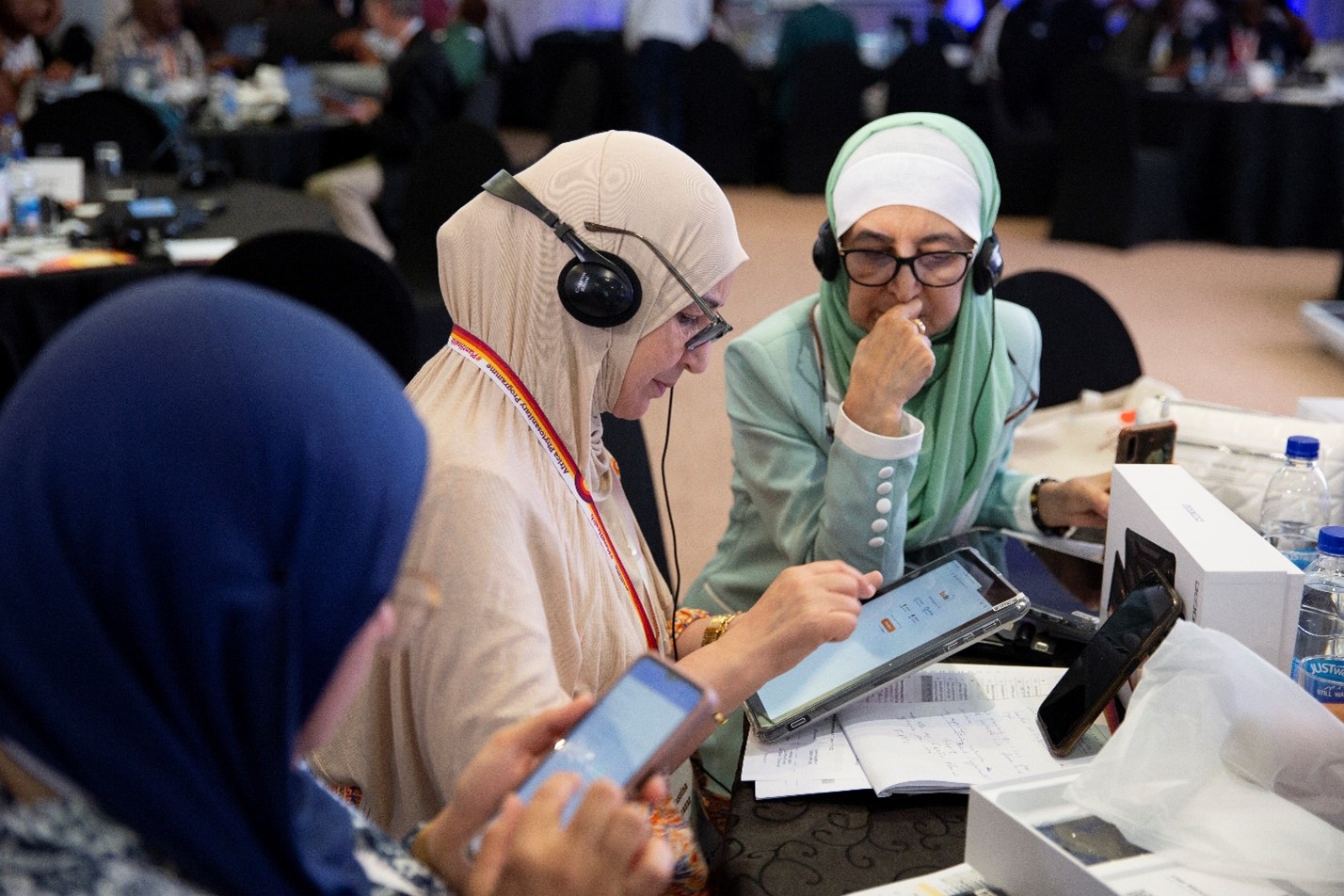
©FAO/Madelene Cronje
Background and rationale
The Near East and North Africa (NENA) region is increasingly threatened by climate-induced hazards, notably droughts and floods, which significantly impact agriculture, water resources and socioeconomic stability. Recent trends show increased frequency and impact of weather extremes, which threaten agricultural livelihoods and disrupt communities under persistent environmental stress. These trends are expected to continue as predicted by climate forecast models. Traditional reactive response mechanisms are no longer sufficient to curb this rising tide of predictable climate hazards. Thus, the region requires a paradigm shift—embracing proactive, anticipatory strategies that foresee hazards before they strike and act swiftly to prevent or minimise their impacts. This is the essence of Anticipatory Action (AA), a transformative approach that empowers communities, governments, and other stakeholders to shift from reactive to proactive interventions.
Anticipatory Action is one of the main areas of work of the Regional Priority 4 (RP4 - Building Resilience to Multiple Shocks) of the FAO Regional Office for the Near East and North Africa (RNE). A recent mapping of AA in the NENA region conducted by RP4 in partnership with the International Food Policy Research Institute (IFPRI) identified inadequate technical capacities among the main challenges constraining effective design and implementation of AA systems in the region.
To address the aforementioned challenges and capitalize on the potential of AA, RP4 is planning a regional Training of Trainers (ToT) on AA. This concept note intends to guide the design and implementation of the ToT.
Training objectives, outcomes, scope, methods, and tentative agenda:
The overarching goal of the ToT is to promote effective design and implementation of AA systems in the NENA region by contributing to strengthening AA’s technical capacities. The specific objectives of the ToT are to equip participants with the knowledge and skills to:
- Design and implement effective AA systems, including early warning information, risk analysis, and context-specific early actions. and
- Organize and deliver impactful training programmes on AA targeting various audiences—including government officials, technical staff, extension workers, and corporate partners — to enable them to implement AA within their work.
The expected outcomes of the ToT are: (a) enhanced technical capacity of the trainees to facilitate designing, implementation, and institutionalization of effective AA systems within the agriculture sector, (b) increased competencies of the participants to organize and deliver customized training programs on AA, and (c) established regional network of AA facilitators/trainers.
In addition to training techniques (linked to objective b), the ToT will cover essential technical topics, including early warning systems (EWS), institutionalisation of AA, AA financing mechanisms, and monitoring and evaluation frameworks of AA work. The training will be conducted using various approaches to ensure an engaging, participatory, interactive learning environment. These include PowerPoint presentations, case studies, group discussions, and plenary sessions. The training will be facilitated by a team of FAO personnel specialized in areas directly related to the objectives and scope of the ToT. The training will be delivered in English and Arabic.
The indicative agenda of the ToT is outlined in the table below:
Dates | Modules and Content |
Day 1 | Launch of the regional report on the state of AA in the agricultural sector in NENA region. |
Basics of AA and Key Building Blocks: Understanding AA in Agriculture: Concepts, principles, and relevance in the NENA region. | |
Day 2 | Hazard Risk Analysis, Monitoring and Early Warning Systems: Tools and data for forecasting and risk analysis. |
Day 3 | AA Systems and Protocol Development: Designing AA Protocols, Triggers, actions, timeliness, and coordination mechanisms. |
Day 4 | Institutionalisation of AA |
Logistical and Coordination Requirements: Communication, coordination mechanisms, and adapting training approaches for different audiences. | |
Day 5 | Funding Mechanisms for AA: Clear allocations, flexibility and risk transfer options |