


Technical Expertise
Turning the Tide: Investing in Youth to Transform Agrifood Systems in the Near East and North Africa
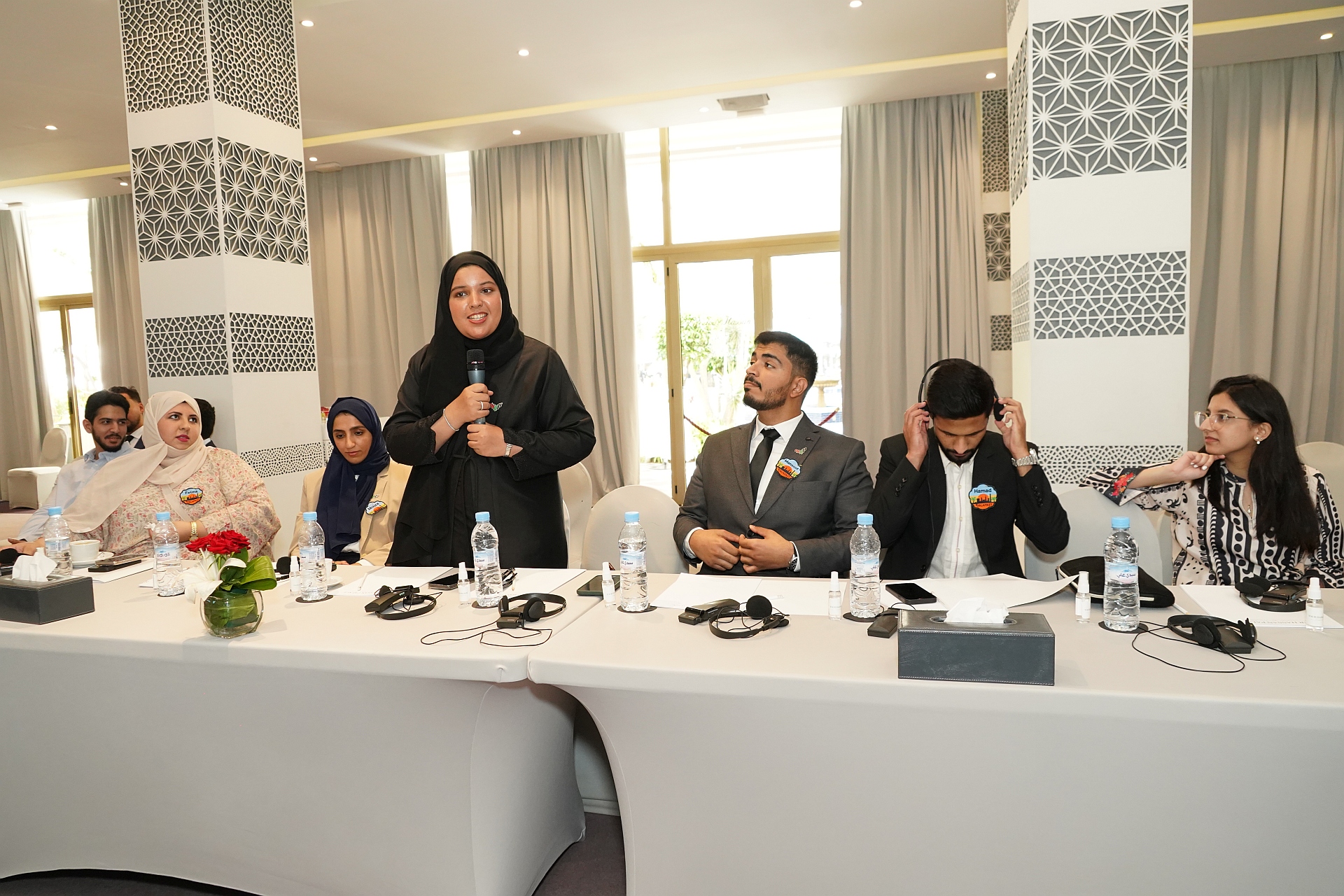
©FAO
Across the Near East and North Africa (NENA) region, a stark paradox is unfolding; while food insecurity and rural poverty are rising, so too is the untapped potential of a young and talented population. With over 60 percent of the population under the age of 25, our region stands at a crossroads, where deep-rooted challenges meet a powerful opportunity for renewal.
The structural challenges are all too familiar. Protracted crises, water scarcity, and climate shocks are compounded by fragmented agrifood systems, technological gaps, and persistent stagflation. In many parts of the region, agrifood systems are not just underperforming, they are almost failing to deliver on basic needs, let alone provide decent livelihoods for the most vulnerable: rural youth, women, and marginalized communities.
Young people face their own challenges in this difficult context. Systemic inequalities leave youth with less access to assets and resources as well as key services like financial services, social protection and rural advisory services. Young voices are still under-represented in agriculture, climate and water policies as well as key rural institutions and decision-making processes, that ultimately affect their lives and future.
Due to shrinking livelihood opportunities, at least 25 percent of the region’s youth are unemployed (ILO Stat 2023). This is double the unemployment rate for the non-youth population, and higher than any other region in the world. Unemployment is higher among more educated, urban youth. Those with lower education attainment, especially in rural areas, are more likely to be employed, but in low-wage, informal and precarious jobs or as unpaid family farmers. The lack of decent jobs in rural areas makes young people particularly susceptible to food insecurity and poverty.
There are additional constraints that youth face based on their gender. For example, young women are more at risk of early marriage or gender-based violence and are more than twice as likely to be unemployed.
And yet, there is no shortage of youth-led agri-entrepreneurship, talent, or ideas.
We have seen firsthand how young people across this region, whether in villages of Upper Egypt or innovation hubs in Amman, are reimagining agriculture and food systems. They are coding agri-tech apps, starting climate-smart farming businesses, and forming local cooperatives to improve access to markets. But what they often lack is not motivation, it’s meaningful inclusion in national and regional dialogues and decision-making processes, access to tailored leadership pathways, and support systems that treat them not just as recipients of aid, but as agents of transformation.
For too long, youth have been positioned on the periphery of policy and programme design in the agrifood sector. We must change this mindset. Youth are not a ‘problem to solve’, they are a strategic solution and asset to nurture.
This is why we, at the Food and Agriculture Organization of the United Nations (FAO) Regional Office for the Near East and North Africa (RNE), are placing youth leadership at the heart of our work. We recognize that real systems transformation cannot be engineered from the top down. It requires local champions who are equipped, trusted, and resourced to drive change from within.
And so, Youth Action Leadership for Agrifood Awareness and Systems Transformation (YALA FAST) is a significant milestone for us.
Launched in Rabat in June 2025, YALA FAST brings together 50 outstanding young leaders from across the region, each representing government, academia, civil society, or the private sector, for an immersive, co-creative leadership journey. It is the first of its kind in the region, blending experiential learning, policy dialogue, innovation labs, and field engagement. But more than a training, YALA FAST is the foundation of a longer-term ecosystem: one that places youth at the center of inclusive, sustainable, and future-facing agrifood systems.
These young leaders are not just participating in a programme, they are shaping the future of how food is grown, distributed, and governed in our region. And in doing so, they are reminding us that hope for a more resilient NENA region is not just a concept. It is a commitment, one that begins by listening to, investing in, and walking alongside our youth.
Authors
.jpeg?sfvrsn=a7471054_1)
