


FAO to boost resilience and sustainable livelihoods of rural Yemenis with support from the Global Environment Facility
Sana’a, 7 June 2020 – The Food and Agriculture Organization (FAO) of the United Nations welcomes the Global Environment Facility (GEF) Council’s decision to program USD 17.8 million for FAO to support the Government of Yemen in achieving its national environmental development agenda. The project will address the critical intersection between water, agriculture and environmental concerns, an urgently important area of focus in the Near East region.
The project addresses environmental issues impacting the productivity and sustainability of agricultural systems on land and water resources. Yemen is topographically diverse, starting from its coastline and moving inwards towards its mountainous highlands, and the climate ranges from tropical, subtropical to temperate. Located at the crossroads of the African, Asian, and Palearctic ecological zones, Yemen is characterized by a rich variety of natural habitats and genetic diversity, including many endemic species.
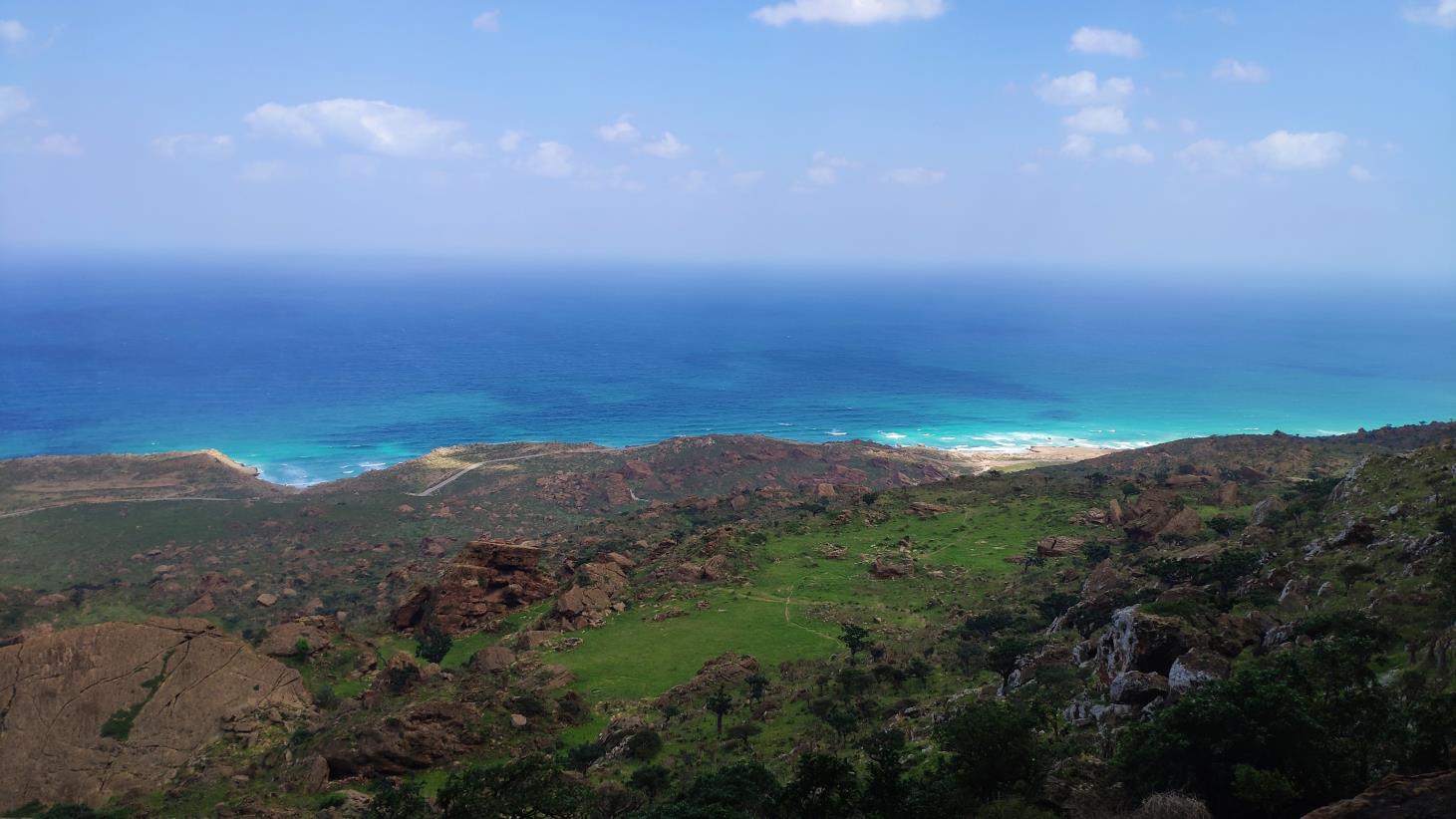
Yemen’s natural resources are of major economic importance because of their potential for tourism and the wildlife and fisheries they support. The project’s activities will be focused on the Socotra Archipelago, Al-Mahrah Governate and the Sarawat Mountains, and will support agro-pastoral communities to bolster their food security through the sustainable use of the natural resources, agroecology, and gender transformative approaches.
The conservation benefits of the project include: 45 000 hectares of productive landscapes under improved management, 100 000 hectares of marine habitat under improved practices, 3 000 hectares of High Conservation Value Forest (HCV) managed at ecosystem scale, 70 000 hectares of productive land achieving Land Degradation Neutrality, 115 000 hectares of land under climate resilient management, and 120 000 men and women in rural areas benefitting directly from investment.
“This project is designed to strengthen Yemen’s national food systems while delivering environmental benefits to its people and land,” said FAO Representative in Yemen, Dr Hussein Gadain. “It will help smallholder farmers and fisherfolk diversify their livelihoods and reinforce their resilience against climate change and other shocks, such as COVID-19,” said Gadain.
This project is the first in Yemen to have resources programmed from the GEF-7 Least Developed Countries Fund (LDCF), a four-year allocation of funds to help least developed countries adapt to climate change. The LDCF is a vital resource that helps the most vulnerable countries support livelihoods and build resilience through nature-based solutions, which are especially crucial during this time of crisis. The LDCF helps countries and communities that are reliant on natural resources to build resilience when faced with multiple risks, like climate change and pandemics.
The June 2020 Work Program just approved by the GEF Council contains one of the largest share of resources programmed to FAO in its 18-year partnership with the GEF, highlighting the central role that agriculture plays in safeguarding the environment and FAO’s proven expertise in supporting governments and communities to accelerate sustainable and productive agricultural transformation.