


FAO Delegation Visits Oman to Strengthen China-Oman Cooperation in Apiculture and Agricultural Innovation
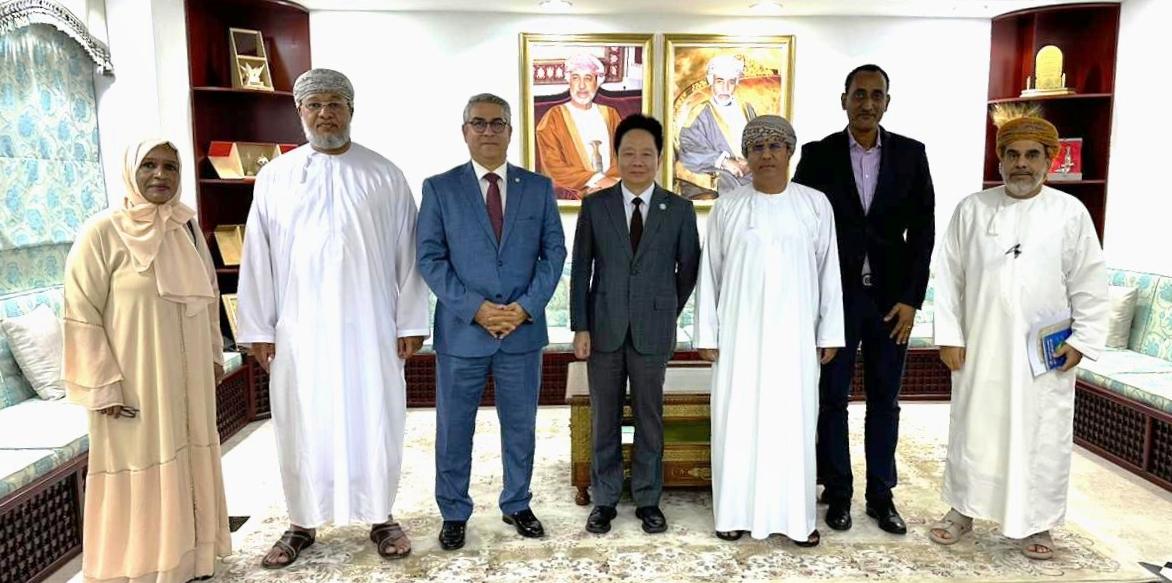
©FAO
A high-level delegation from the Food and Agriculture Organization of the United Nations (FAO), led by Mr. Anping Ye, Director of the South-South and Triangular Cooperation Division (PST), concluded an official visit to Oman aimed at enhancing collaboration in the apiculture sector and exploring opportunities for agricultural innovation.
The visit centered on a new project funded by the Government of China, through the FAO-China South-South Cooperation (SSC) Trust Fund, to support the sustainable development of Oman’s apiculture industry. The project’s scope includes improving the -value chain of Omani honey and related products, leveraging e-commerce platforms, and exploring opportunities to export high-quality Omani honey to the global market. The initiative also aims to boost production efficiency by introducing modern agricultural technologies and sustainable practices, ultimately empowering local beekeepers to increase both production and the quality of Omani honey.
During their stay, the delegation met with H.E. Ahmed Al-Bakri, Undersecretary of the Ministry of Agriculture, Fisheries, and Water Resources. Discussions focused on the project’s objectives and its alignment with Oman’s broader agricultural development goals. The meeting also explored additional areas for collaboration, including innovation in date palm production and pest control strategies.
Speaking about the significance of the project during the delegation’s visit, Mr. Anping Ye, Director of the South-South and Triangular Cooperation Division (PST), said:
"This proposed FAO-China-Oman project highlights the pivotal role that South-South and Triangular Cooperation plays for a sustainable transformation of the apiculture sector in Oman. Through the project, we are bringing together Oman's rich apicultural traditions and China’s expertise in agricultural innovation to improve the quality and competitiveness of Omani honey in global markets. This first collaborative visit underscores the deepening ties between Oman and China and demonstrates their shared commitment to innovation and mutual growth, in line with FAO's goals of promoting sustainable agriculture and economic diversification."
The delegation also engaged with several key stakeholders from Oman’s private sector to discuss how the project could benefit local businesses and facilitate market access for Omani honey, both domestically and internationally.
Additionally, the FAO delegation met with representatives from the Embassy of the People’s Republic of China in Muscat. This meeting underscored the importance of China-Oman collaboration, particularly in agriculture, and highlighted the potential for exchange visits between Oman and China. These visits would serve to deepen the implementation of the project and foster the sharing of technical expertise, ultimately strengthening the apiculture sector in Oman and enhancing the global competitiveness of Omani honey.
Dr. Thaer Yaseen, FAO Representative in Oman, expressed his pride in this exciting new partnership with the Sultanate of Oman and its government, particularly with the Ministry of Agricultural, Fisheries, and Water Resources. He highlighted the strong collaboration between FAO Oman and the ministry through several ongoing projects in agriculture, aquaculture, and apiculture, as well as initiatives aimed at enabling and empowering youth and women in food security-related projects. He commended the ministry’s unwavering commitment to strengthening and enriching the food security value chain.
The FAO-supported project is expected to make a significant contribution to Oman’s agricultural sector by integrating digital technologies, promoting sustainable farming practices, and increasing the global market presence of Omani honey. With the support of both China and FAO, the project sets a model for cross-border partnerships that help developing nations enhance their agricultural industries, contributing to broader economic diversification and sustainable growth.
The South-South and Triangular Cooperation Division (PST) of FAO plays a crucial role in fostering partnerships between countries in the Global South, facilitating knowledge exchange and technical cooperation to promote sustainable development. By supporting initiatives such as the one in Oman, PST helps strengthen global collaboration networks, benefiting all participating member nations. This visit also highlights the growing diplomatic ties between China and the Gulf Cooperation Council (GCC), further solidifying China’s role in advancing agricultural innovation and sustainability in the region.