


Regional In-Person Training on Livestock Emergency Guidelines and Standards (LEGS) Strengthens Capacities in the Near East and North Africa
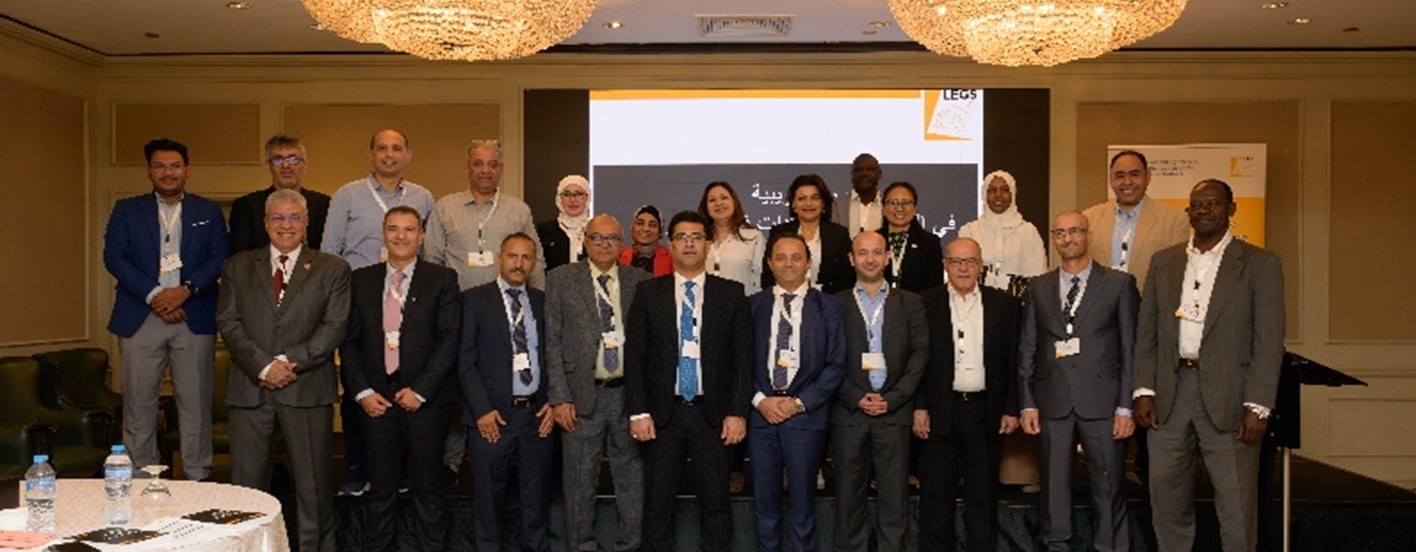
Egypt,11–13 November 2025
A three-day Regional Core Training on Livestock Emergency Guidelines and Standards (LEGS) was successfully held in Cairo, Egypt, from 11 to 13 November 2025. The event brought together 23 participants from nine countries across the Near East and North Africa region: Algeria, Iraq, Jordan, Mauritania, Morocco, Sudan, Syria, Tunisia, and Yemen. Participants included government nominees, national veterinary staff, and FAO technical personnel, demonstrating a strong regional commitment to enhancing livestock emergency preparedness and response.
The training was organized as part of the FAO TCP Regional Project TCP/RAB/3903, which supports capacity-building and resilience in the livestock sector across the region. It was delivered by two LEGS trainers from FAO Tunisia (Ms Imen Daboussi and Mr Soufien Sghaier), led by Dr. Mohamed Bengoumi, Animal Health Officer, FAO SNE, whose expertise in livestock emergency management and regional coordination was instrumental in guiding participants through practical exercises, case studies, and tools such as the PRIM matrix. Particular attention was given to drought-linked catastrophes, as drought is now a common occurrence in the area. The training also benefited from the support of Ms. Jackelyn Pinat, FAO Representative in Egypt (ad interim) and Coordinator of the Resilience Programme, RNE.
In her opening remarks, Ms. Jackelyn Pinat emphasized the critical role of livestock in sustaining livelihoods during emergencies, noting that “For millions of families, their animals are not only a source of food and income but also the foundation of their dignity and survival. LEGS ensures that our support protects livelihoods while strengthening community resilience.”
Dr. Mohamed Bengoumi highlighted the importance of evidence-based approaches, stating that “Effective livestock emergency interventions require not only knowledge but also coordination, planning, and the practical application of international standards such as LEGS. This training equips participants to make critical decisions that safeguard both animals and livelihoods.” His guidance and hands-on training helped participants strengthen their skills in livestock emergency assessment, intervention planning, monitoring, and evaluation, preparing them to respond efficiently to crises.
Key outcomes of the training included:
- Improved understanding and practical application of LEGS standards, enabling participants to design evidence-based livestock interventions in emergencies.
- Strengthened national capacities for emergency preparedness, planning, and monitoring across the participating countries.
- Enhanced regional networks and collaboration, fostering knowledge exchange and joint approaches to livestock emergencies.
- Empowered participants to act as national champions for LEGS implementation within their respective countries.
This training is part of FAO’s ongoing efforts under the TCP Regional Project TCP/RAB/3903 to build resilient livestock systems in the Near East and North Africa, ensuring that communities dependent on livestock are better prepared to face crises, safeguard food security, and protect livelihoods, especially for vulnerable groups including women and youth.