


Regional Webinar Explores the Role of Rural Advisory Services in Crisis and Conflict-Affected Areas Across NENA
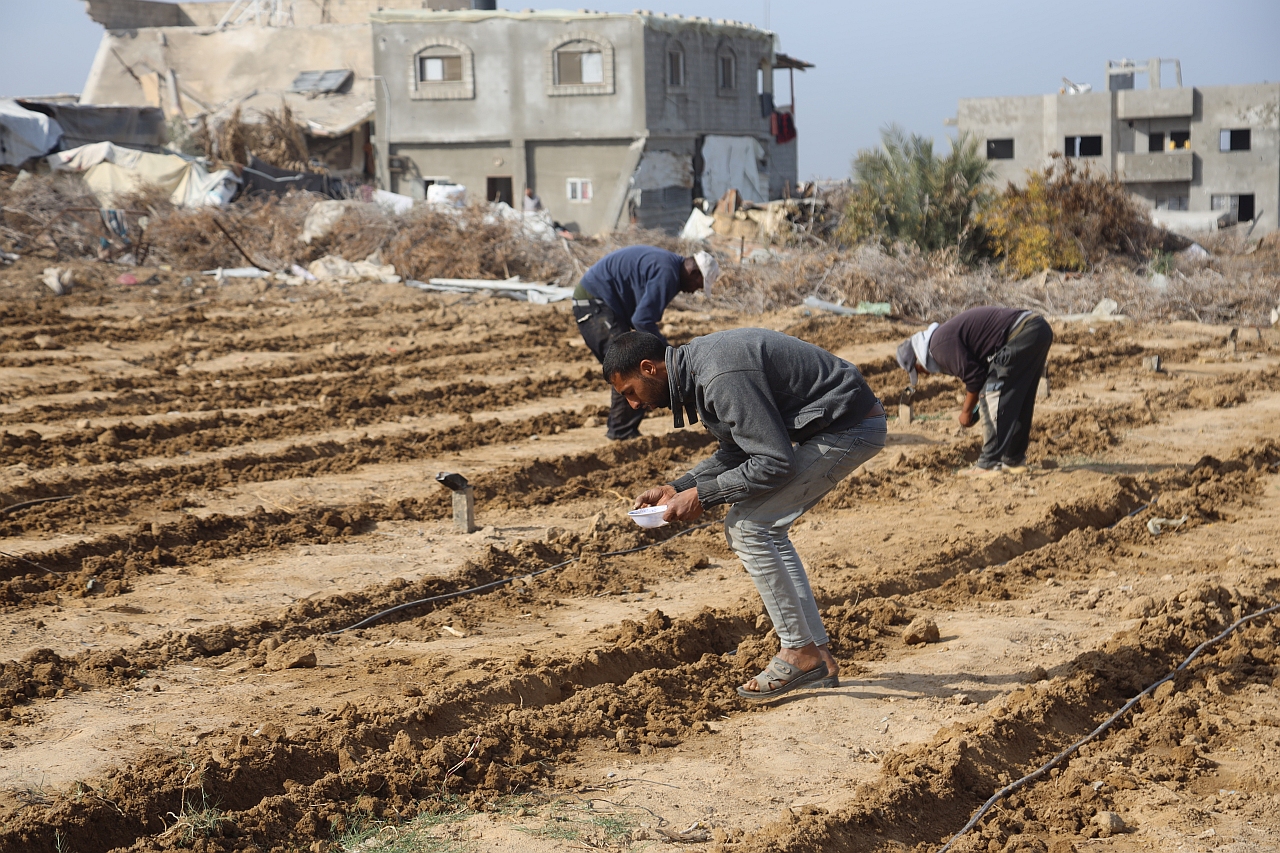
©FAO/Yousef Alrozzi
As part of its ongoing efforts to strengthen resilience and promote inclusive rural development, the Arab Forum for Rural Advisory Services (AFRAS) convened a regional webinar titled “Rural Advisory Services in Times of Crisis: Collective Efforts for Rehabilitation and Building Resilience in the NENA Region.”
The event brought together policymakers, extension practitioners and development partners from across the Near East and North Africa (NENA) region to exchange experiences and explore the evolving role of Rural Advisory Services (RAS) in conflict-affected, and crisis-prone settings.
Working directly at the community level, RAS providers have become more crucial by serving as trusted intermediaries, helping vulnerable populations access critical information, recovery resources, and context-sensitive guidance. Participants emphasized that in many rural and remote areas, RAS agents are among the few development actors consistently present on the ground and their role extends far beyond technical advisory work to encompass psychosocial support, coordination, and crisis response.
“In times of crisis, Rural Advisory Services are not just about transferring knowledge, they are about rebuilding trust, enabling recovery and making sure that no farmer is left behind,” said May Hani, FAO Senior Programme Officer, Rural Transformation and Inclusive Value Chains.
The webinar built on the conclusions of the first AFRAS meeting held in Amman in July 2024, which underscored the importance of positioning RAS at the intersection of humanitarian relief, sustainable development and peacebuilding efforts. Discussions during the webinar focused on how crises have impacted RAS systems and rural livelihoods and how local and national institutions have adapted to continue providing services amid disruption and insecurity.
Panelists from countries including Lebanon, Palestine, Sudan, and Syria shared insights from their national experiences, showcasing how local extension systems adapted delivery methods, built partnerships, and mobilized community networks to respond to emerging needs. They emphasized the importance of early warning systems, farmer-led innovation, and institutional coordination to enhance impact, while also underscoring the need for gender-responsive RAS strategies. Examples included women-led innovations in home gardening, food processing, and cooperative-based agricultural extension, highlighting the critical role of women in strengthening resilience and advancing inclusive rural development.
The session concluded with an interactive discussion, highlighting common barriers to delivering inclusive, needs-based services and reaffirming the importance of investing in the capacity of both institutions and frontline staff. Insights and reflections from the webinar will contribute to an upcoming regional paper on the role of RAS in crisis and conflict-affected contexts, which aims to inform future policy, programme design, and resource mobilization efforts.