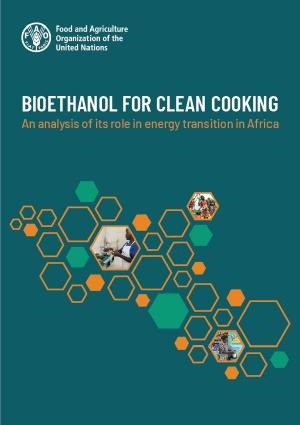
New report explores the potential of bioethanol to improve clean cooking access in Africa

GBEP’s new report, “Bioethanol for clean cooking – An analysis of its role in energy transition in Africa” explores the potential of bioethanol for clean cooking in various African countries, highlighting key enabling factors and barriers, to promote a just and inclusive energy transition.
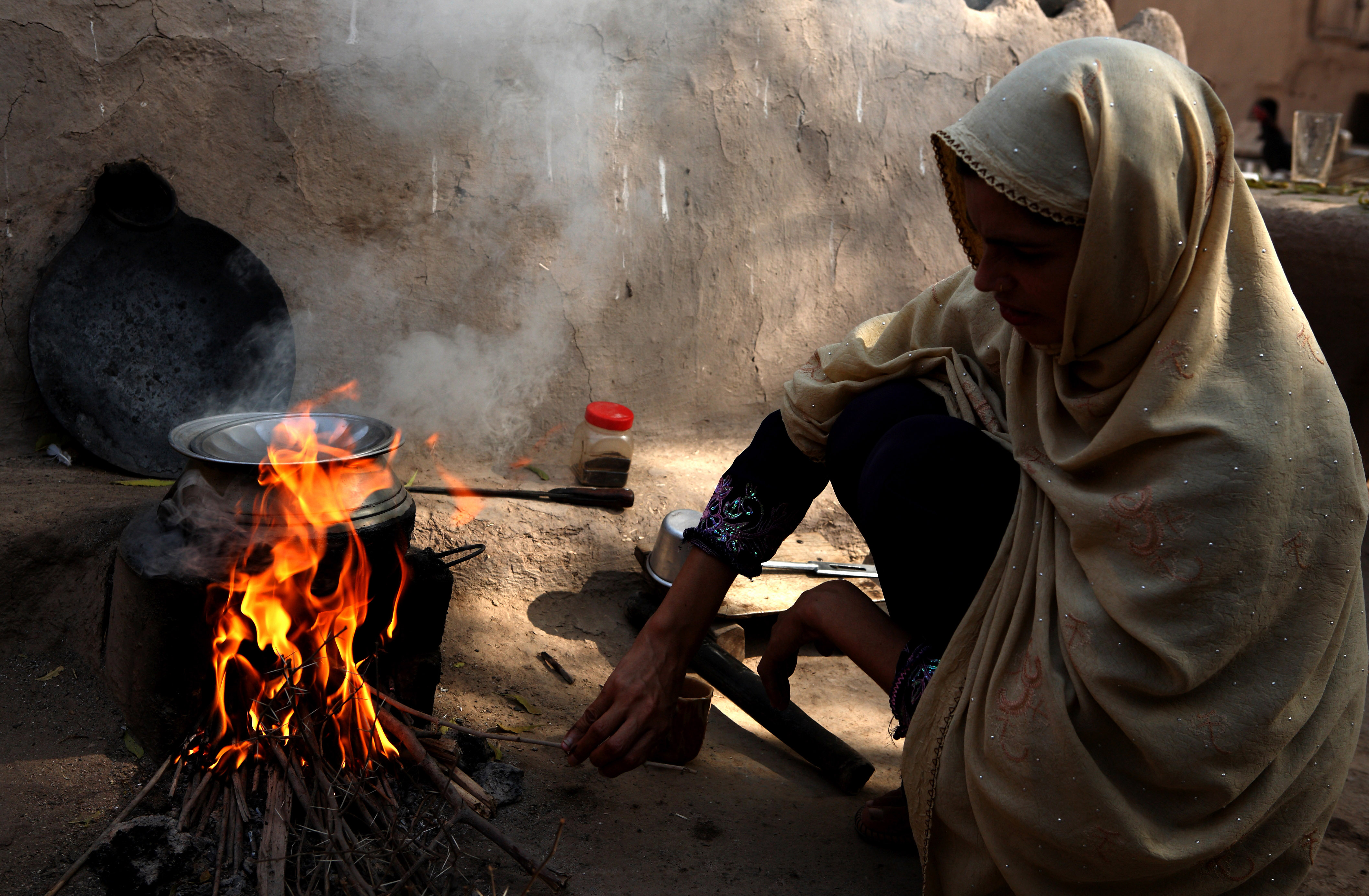
Globally, about 2.1 billion people, of whom about one billion live in Africa, still rely on unclean and inefficient cooking methods, primarily the traditional burning of solid biomass (e.g. wood, charcoal) and fossil-based fuels, with dire consequences for their health and the environment.
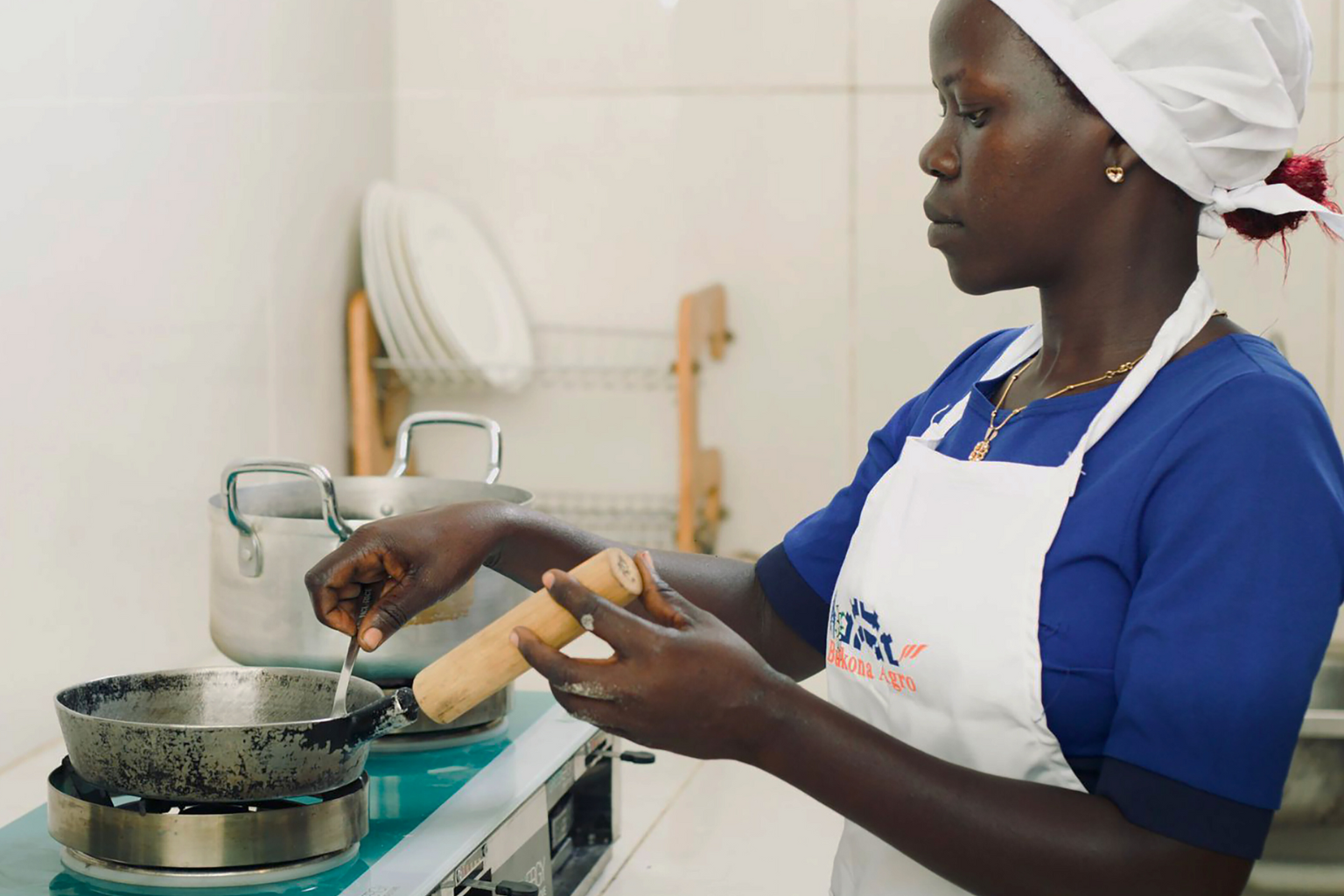
Enhancing access to efficient, clean cooking solutions could produce significant health benefits, reduce poverty, drive gender equality, protect forests and slow climate change. Sustainable bioethanol, produced from sustainably-sourced agricultural crops and residues, is one of the promising options to improve clean cooking access in many African countries.
To support the transition towards clean cooking solutions in Africa, the Food and Agriculture Organization of the UN (FAO), in the context of the Global Bioenergy Partnership, published the report “Bioethanol for clean cooking – An analysis of its role in energy transition in Africa”, as part of the “Bioethanol as a clean cooking fuel in Africa and Asia” project, funded by the United States Department of Agriculture Foreign Agricultural Service (USDA-FAS).
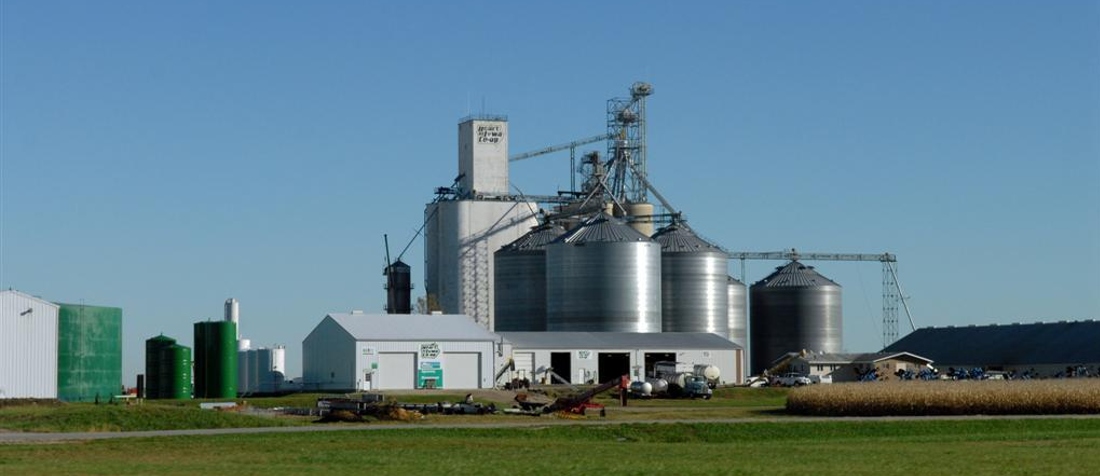
Bioethanol can be produced from locally available biomass, generate new income to foster rural economic growth, and help reduce countries' dependencies on fuel imports, strengthening energy security. Despite this promising outlook, domestic production and adoption of bioethanol for cooking is neither feasible nor appropriate in all contexts.
Through a literature review, a collection and analysis of case studies, and first-hand experience from two national workshops held in Rwanda and Uganda, “Bioethanol for clean cooking” uncovers favourable conditions to establishing bioethanol as a clean cooking solution in Africa, including availability of local feedstock, existing infrastructure and distribution networks, and an enabling policy and regulatory environment.
The publication highlights common barriers and challenges for bioethanol uptake, such as high upfront and recurring costs and competition over resources for other agrifood system products, and some key strategies for the development of the sector in urban, peri-urban and emergency settings, underlining the need for favourable policies and the active involvement of local and marginalised communities.
The report provides evidence and recommendations for governments, development partners, private sector actors, and researchers working to scale clean cooking solutions. The findings of this study can support governments and policymakers in Africa and elsewhere to evaluate the suitability and sustainability of bioethanol and other clean cooking options for their local contexts, promoting the integration of clean cooking strategies into regional and national energy policies and climate action plans.
If enabled by inclusive policies, strategic investment and strong stakeholder engagement, bioethanol could help accelerate the transition towards clean cooking in Africa, improving climate resilience and contributing to a decarbonized global economy and a just and inclusive energy transition.
- Project page: Bioethanol as a clean cooking fuel in Africa and Asia
- 12th GBEP Bioenergy Week
- Rwanda eyes bioethanol as sustainable fuel alternative to advance clean cooking agenda and reduce emissions
- Uganda seeks to scale bioethanol production and adoption to meet national clean cooking goals and climate objectives
- Webinar: Bioethanol: A sustainable solution for clean cooking transition in Africa
Related publication