Youth learn bioenergy's role in just transition in GBEP-led masterclass
©FAO/Giulio Napolitano
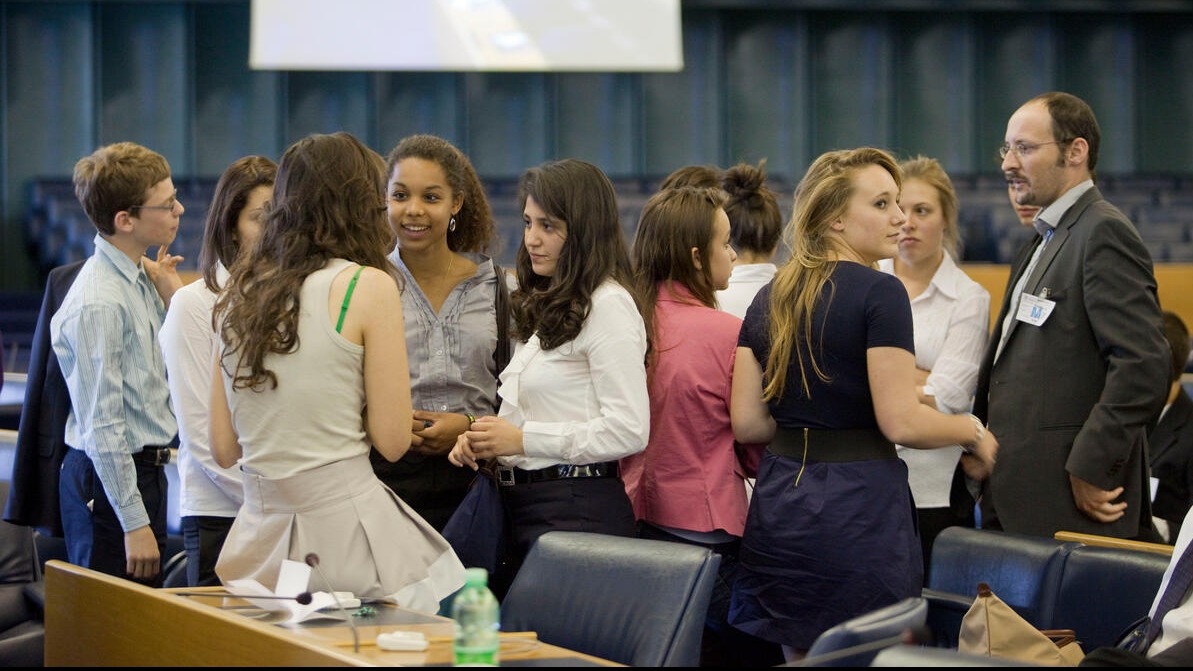
As the world looks to youth to lead the transition to sustainable agrifood systems, GBEP is helping equip them with the tools to act. In preparation for the upcoming World Food Forum (WFF), GBEP led a CultivatED live masterclass on “Sustainable bioenergy solutions for just and inclusive transitions” for high-school students.
The session was part of a week-long series of masterclasses, organized by the WFF Global Action Initiative (Youth Initiative), which connect FAO experts with young people to foster learning and engagement.
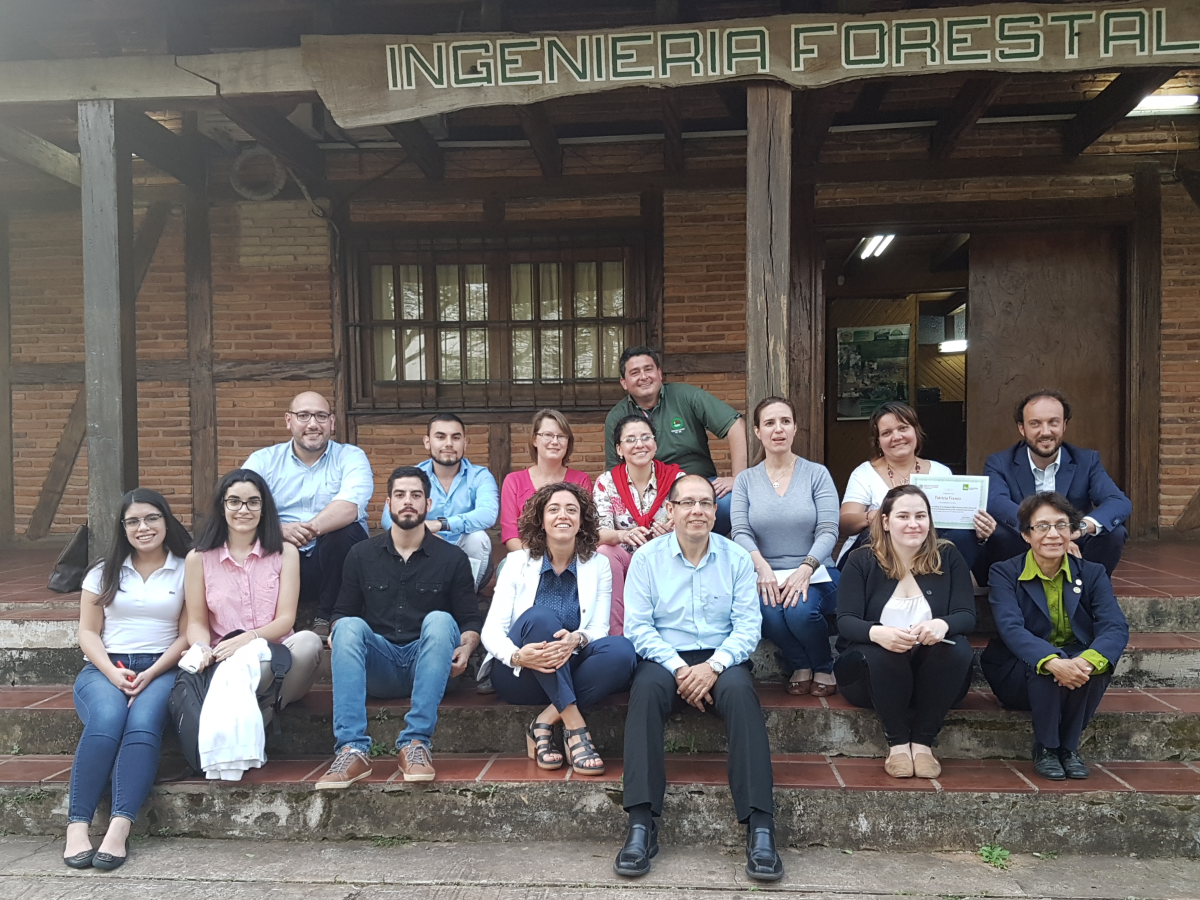
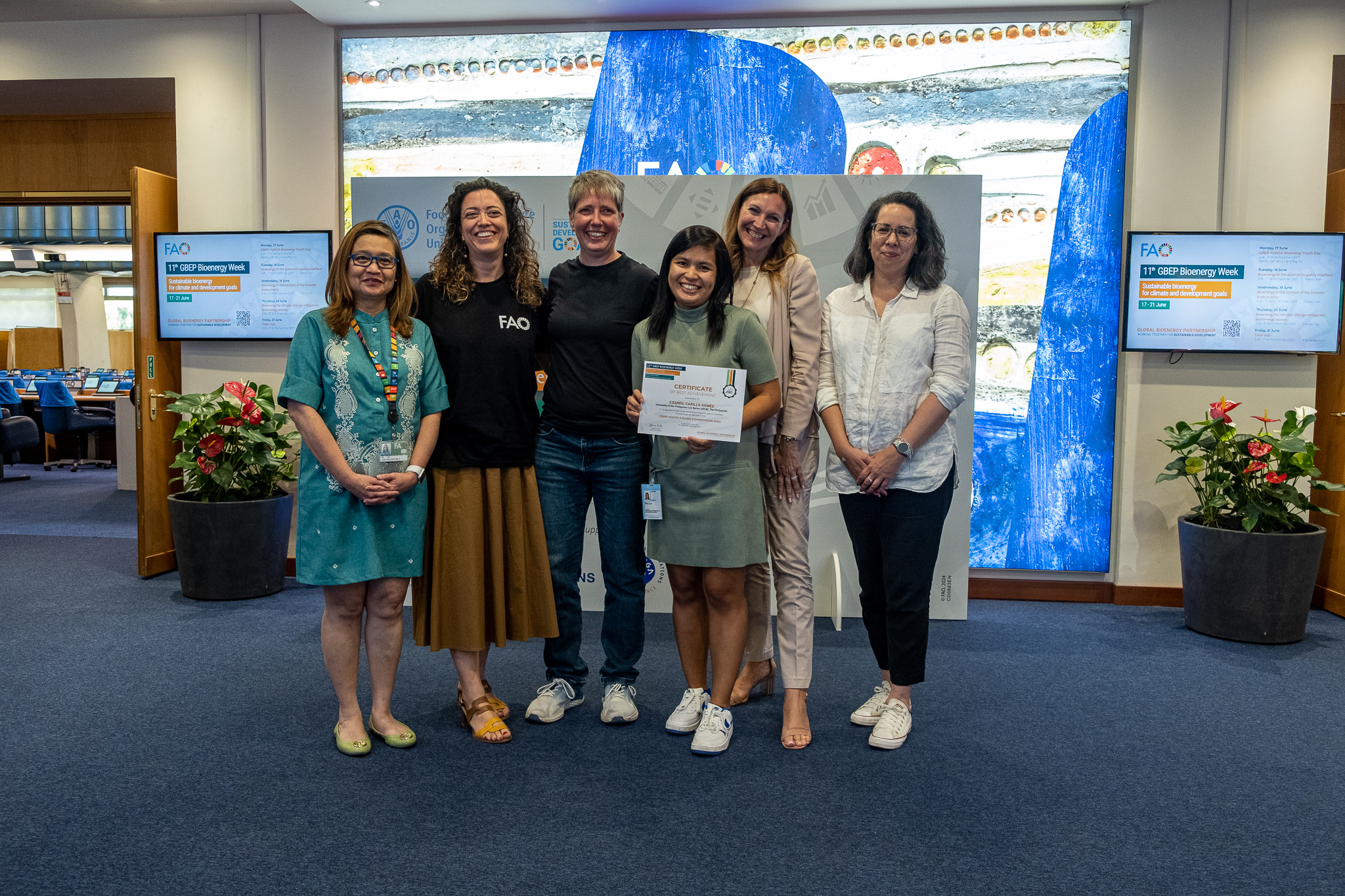
Recognizing young people as innovators and changemakers, the Food and Agriculture Organization of the United Nations (FAO) actively engages youth and builds their capacities to understand pressing challenges such as food security and climate change. FAO's approach to youth engagement involves providing access to the right knowledge and tools to create opportunities for learning and empowerment. The Global Bioenergy Partnership (GBEP) contributes to this effort with a range of youth-led initiatives, such as the GBEP Bioenergy Youth Day, and the GBEP Youth Award, the latter of which recognizes the achievements of young bioenergy researchers and their contributions to innovative bioenergy solutions.
The WFF flagship event is a global platform that aims to bring together stakeholders, unite diverse voices, and foster cross-sectoral and intergenerational collaboration to achieve the four betters: better production, better nutrition, a better environment, and a better life.
The masterclass explored sustainable bioenergy in the context of agrifood systems. Tiziana Pirelli, GBEP Coordinator, explained how bioenergy, derived from organic matter, is currently the largest renewable energy source globally, its role in reducing greenhouse gas emissions, and why it is essential to adopt practices that ensure its production is socially, economically and environmentally sustainable.
As energy is needed at every stage of agrifood systems, producing the world’s food and getting it from farm to fork accounts for about 30 percent of global energy consumption and contributes to 31 percent of greenhouse gas emissions. Constance Miller, GBEP Deputy Coordinator, talked about how limited access to energy leads to excessive food loss, which is harmful for people and the environment, and wastes the energy used to make that food.
The interconnections between climate change, energy and food security underpins the FAO's Energy-Smart Agrifood System (ESAS) programme. ESAS promotes and integrates renewable energy into agrifood systems, explores ways of deriving bioenergy from agriculture and improves efficiency and sustainability in the sector.
The masterclass showcased the dynamic, holistic nature of sustainable bioenergy solutions. Sustainable bioenergy mitigates climate change while improving people’s livelihoods, particularly in low-to-middle income countries. It addresses a wide range of issues and contributes, directly and indirectly, to achieving each of the 17 Sustainable Development Goals (SDGs).
The masterclass confirmed the importance of interaction in youth engagement. A quiz on biogas, a type of biofuel, allowed students to reflect on their own behaviours and local resources. The quiz revealed areas where students had a strong understanding and topics that required further clarification, often sparking deeper explanations and richer discussions from the experts.
One student correctly identified “soil conditioner” as an additional use for digestate, a nutrient-rich residue left over after organic materials are broken down by microorganisms during biogas production. This surprisingly sophisticated answer highlighted the potential young minds have to reshape agrifood systems.
Inspiring and educating youth on sustainable bioenergy is essential to encourage innovation and transformation in the sector. Students walked away with a deeper understanding of the value of sustainable bioenergy and a desire to act on what they had learnt. By inspiring and educating youth on sustainable bioenergy, GBEP is helping to cultivate the next generation of leaders who will drive just, inclusive and climate-smart energy transitions.